Hyundai Creta Electric Buyer's Guide 2026: Real-World Range, Which Variant to Buy, Charging and Running Cost
4 min
India's #1 Electric Vehicle Platform
The facelifted Tata Punch EV is India's best-selling electric car in late 2026. Here are all variants and prices, 30 kWh vs 40 kWh, tested real-world range, the best-value variant, charging times, running cost and safety.
Advertisement
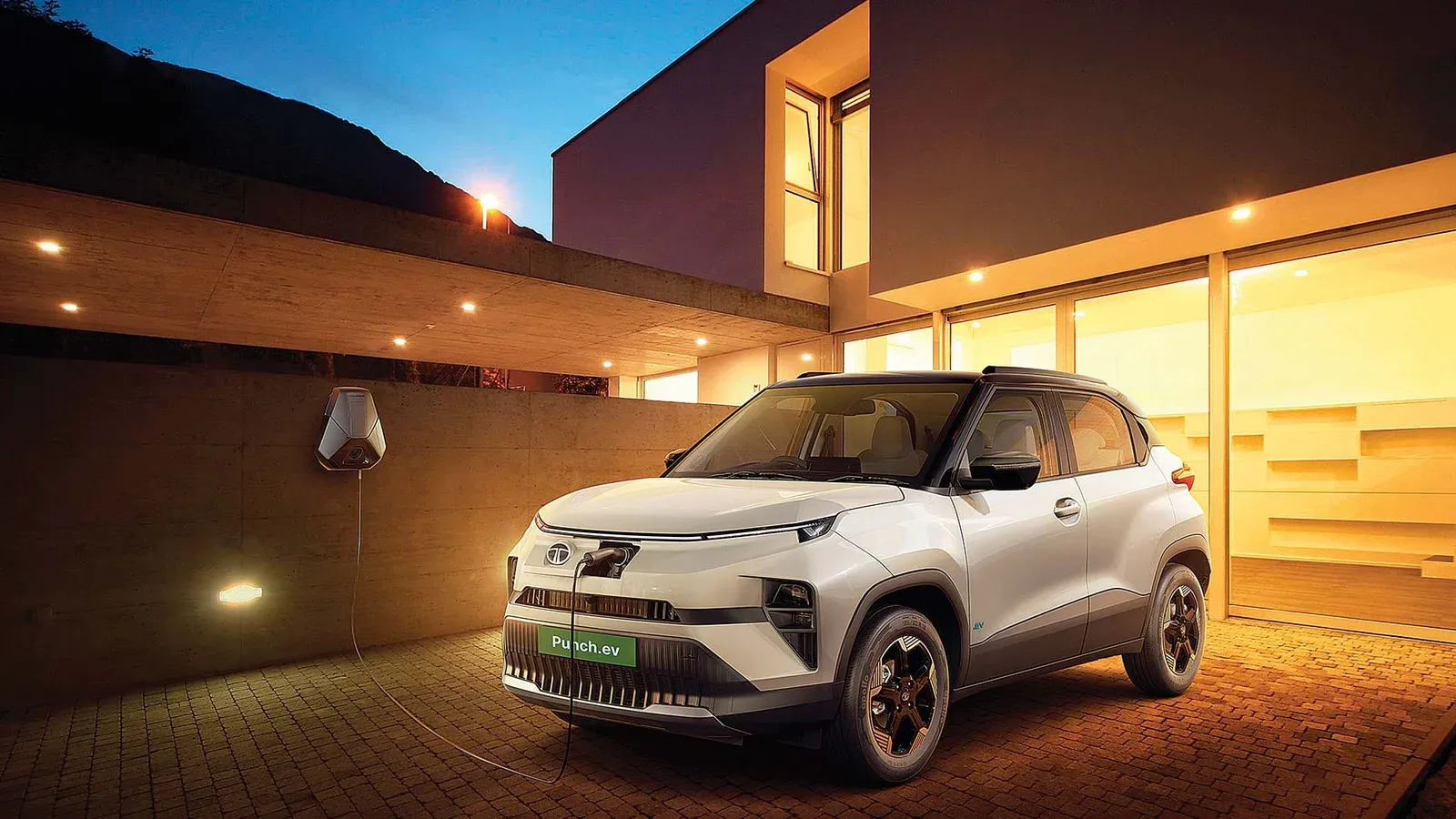
The Tata Punch EV was facelifted in February 2026, and it has been a big hit. It was India's best-selling electric car in September 2026 with 4,666 registrations and stayed on top in October. A bigger 40 kWh battery, faster charging and a 5-star safety rating at around ₹10–13 lakh make it one of the easiest EVs to recommend.
| Variant | Battery | Claimed range | Ex-showroom (Delhi) |
|---|---|---|---|
| Smart 30 | 30 kWh | 365 km | ₹9.79 lakh |
| Smart+ 30 | 30 kWh | 365 km | ₹10.39 lakh |
| Smart+ 40 | 40 kWh | 468 km | ₹11.19 lakh |
| Adventure 40 | 40 kWh | 468 km | ₹11.94 lakh |
| Empowered 40 | 40 kWh | 468 km | ₹12.69 lakh |
| Empowered+ S 40 | 40 kWh | 468 km | ₹12.99 lakh |
Prices as listed by CarDekho in November 2026 (Tata's website was unavailable when we checked). Prices are slightly higher than the February 2026 launch prices after Tata's 2026 price hikes. Confirm with your dealer.
On-road prices: Delhi, Mumbai, Bangalore, Chennai. Full specs: Tata Punch EV page.
Pick the 40 kWh unless your budget is strictly under ₹10.5 lakh. It adds roughly 80 km of real-world range, more power (129 hp vs 88 hp), much quicker acceleration (0–100 km/h in 9 seconds) and a lifetime battery warranty for the first owner. The 30 kWh gets 8 years / 1.6 lakh km.
Autocar India tested the new 40 kWh Punch EV in August 2026 in Eco mode with the AC on:
That's about 16% more efficient than the old Punch EV. Tata's own real-world estimates are about 350 km for the 40 kWh and 270 km for the 30 kWh.
Check with your dealer which home charger is included with your variant. More in our EV charging guide.
At the tested 7.6 km per kWh and a home tariff of ₹8 per unit (rates vary by state), the Punch EV costs about ₹1.05 per km. A petrol Punch averaging around 18 km/l at ₹100/litre costs about ₹5.6 per km, so you save roughly ₹4.5 per km, or about ₹54,000 a year at 1,000 km a month. Use our EV savings calculator for your own figures.
The facelifted Punch EV earned 5 stars in Bharat NCAP in 2026, scoring 31.09/32 for adults and 45/49 for children. The rating applies to all variants. Six airbags, ESP, TPMS and ISOFIX are standard. There's no ADAS suite, but higher variants get a blind-spot monitor.
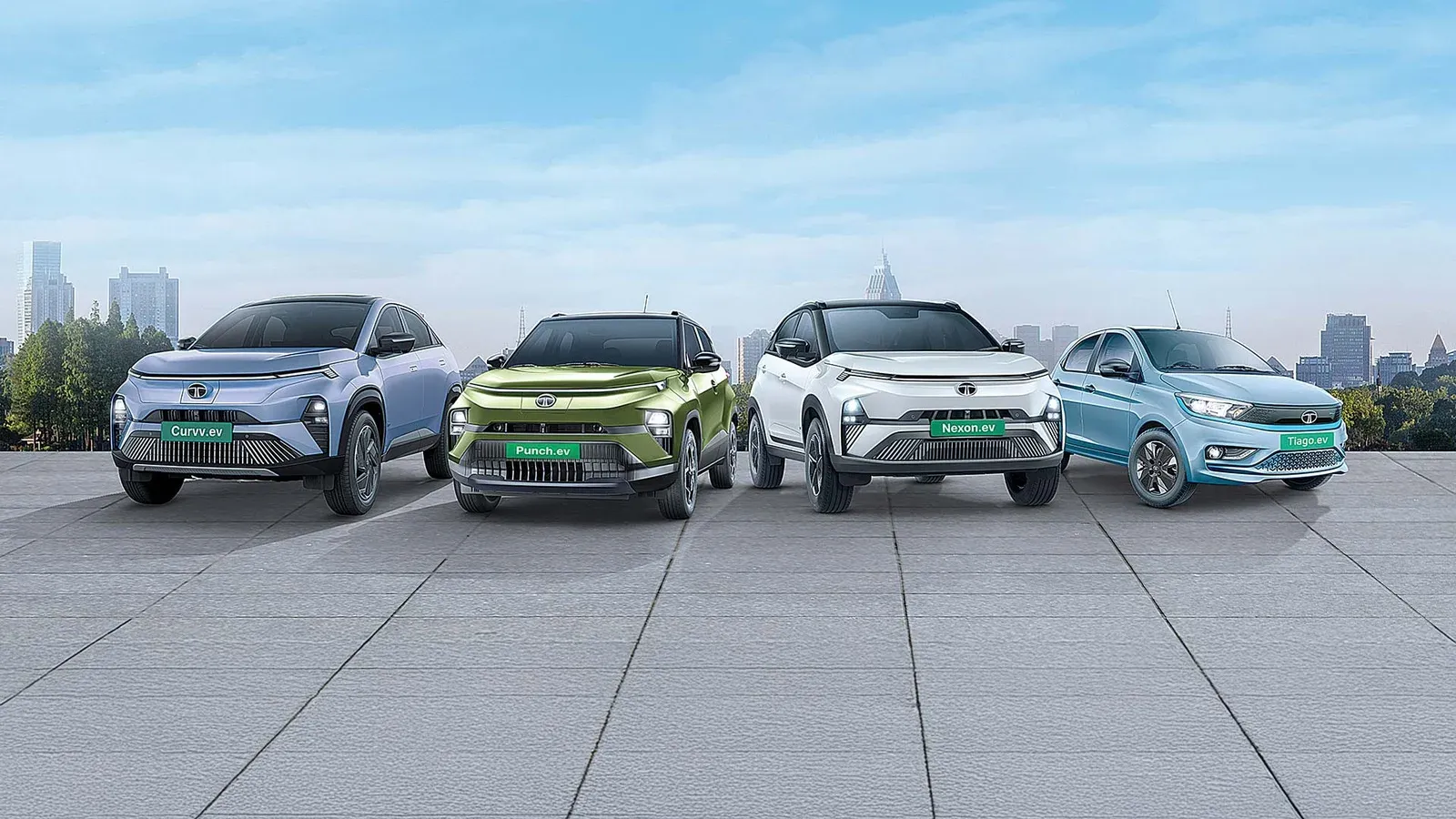
The Punch EV sits between the Tata Tiago EV (from ₹6.99 lakh) and the Tata Nexon EV (from ₹12.49 lakh). Other options include the MG Comet EV, Citroen eC3 and MG Windsor EV. Compare: Nexon EV vs Punch EV, Punch EV vs Windsor EV.
The 2026 Punch EV gives you a usable 300 km of real range, quick charging and 5-star safety at an affordable price. The Smart+ 40 is the best value, and the Empowered+ S 40 is the one to stretch for if you want the comfort features.
Image: Tata Motors (earlier model shown)
Autocar India measured 304 km from the 40 kWh Punch EV in August 2026 (about 317 km in the city and 291 km on the highway), against a claimed 468 km. Tata's real-world (C75) estimates are about 350 km for the 40 kWh and 270 km for the 30 kWh.
Autocar India picks the Smart+ 40 (about ₹11.19 lakh). It gets the bigger 40 kWh battery with a lifetime battery warranty, an 8-inch touchscreen and a reverse camera. If your budget allows, the Empowered+ S 40 adds a sunroof, ventilated seats and a 360-degree camera for about ₹1.8 lakh more.
Both batteries charge from 20–80% in about 26 minutes on a DC fast charger (65 kW peak). On a 7.2 kW AC charger, 10–100% takes about 4.5 hours (30 kWh) or 5.3 hours (40 kWh).
Yes. The 2026 Punch EV facelift scored 5 stars in Bharat NCAP, with 31.09/32 for adult protection and 45/49 for child protection. Six airbags, ESP and TPMS are standard on all variants.
Yes. At launch, the Punch EV was offered with Battery-as-a-Service from ₹6.49 lakh plus ₹2.6 per km battery rental. Check with your dealer for current BaaS pricing.
Launched in February 2026, the facelift brought a new 40 kWh battery (468 km claimed), faster 65 kW DC charging, updated design and features, and better efficiency. Autocar India found it about 16% more efficient than the old model.
Advertisement