Electric cars are now the default choice for staff cars across central government ministries and departments. The Department of Expenditure in the Ministry of Finance issued an office memorandum on 10 November 2026 making EVs the "default and preferred choice" for official vehicles, with immediate effect.
What the order says
- EVs first: when existing petrol or diesel staff cars are condemned or due for replacement, ministries and departments should ordinarily buy electric cars.
- Higher price ceiling for EVs: the limit for electric staff cars is ₹20 lakh (net dealer price), double the ₹10 lakh ceiling for petrol, diesel and hybrid cars.
- Non-EVs need special approval: a department that wants a non-electric car has to send a justified proposal to the Department of Expenditure, approved by its Secretary with the concurrence of its Financial Adviser. These requests are decided case by case. The same rule applies to hiring non-electric cars.
- Hired cars: the memorandum repeats an earlier instruction, from 1 September 2022, that cars hired by the government should be electric.
What it doesn't include
The order doesn't set a target number of EVs or a deadline for replacing the existing fleet. Instead it changes the default: every replacement from now on is expected to be electric unless a department can justify otherwise.
Why it matters
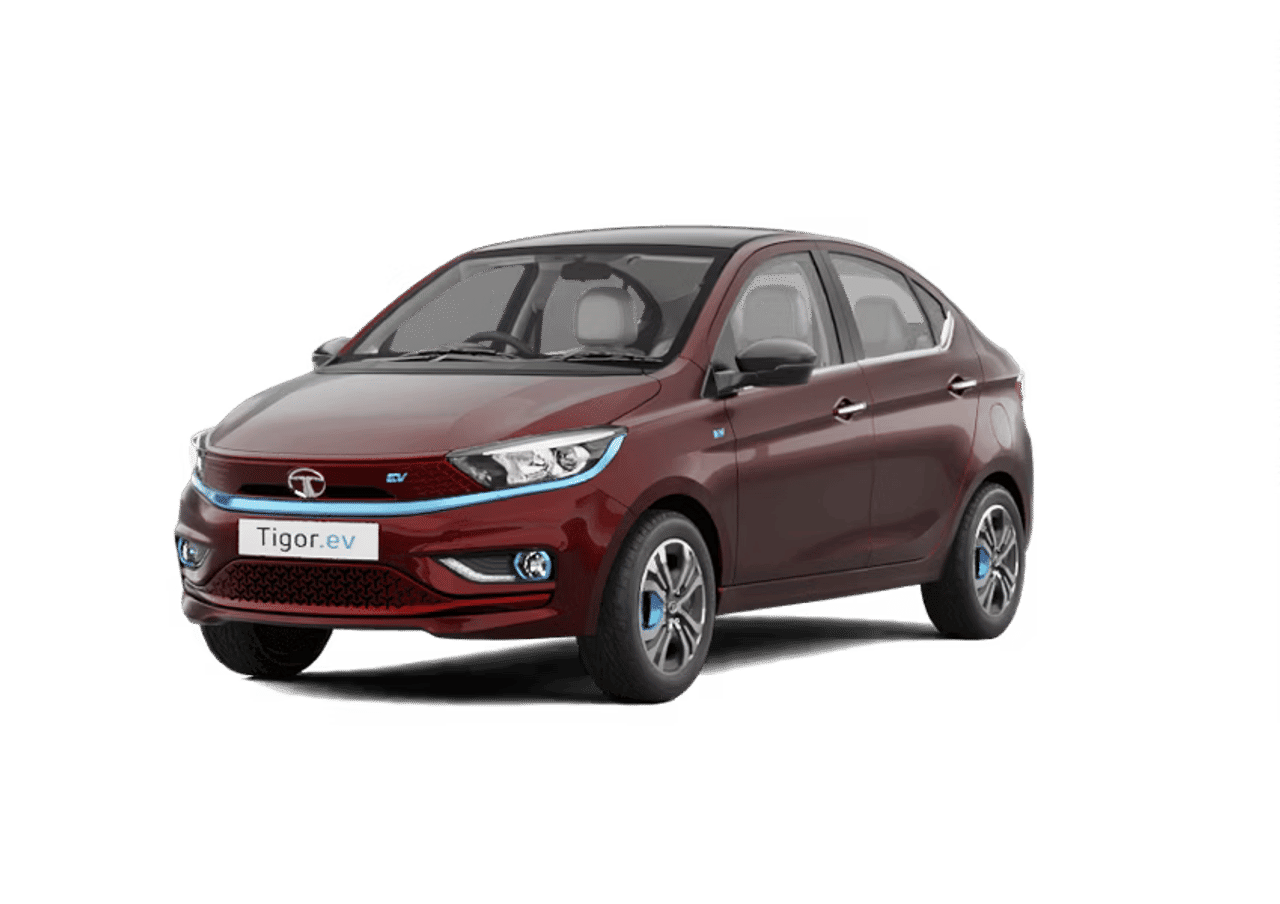
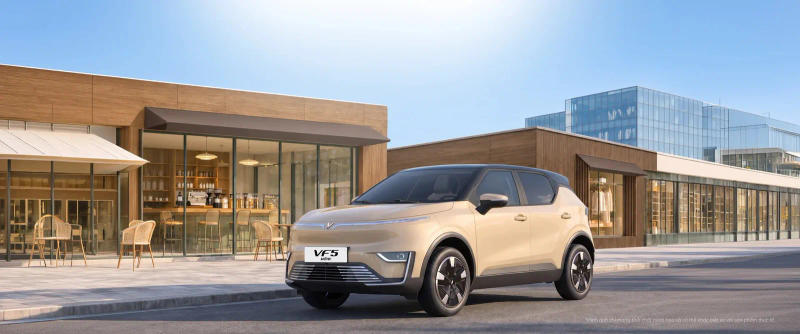
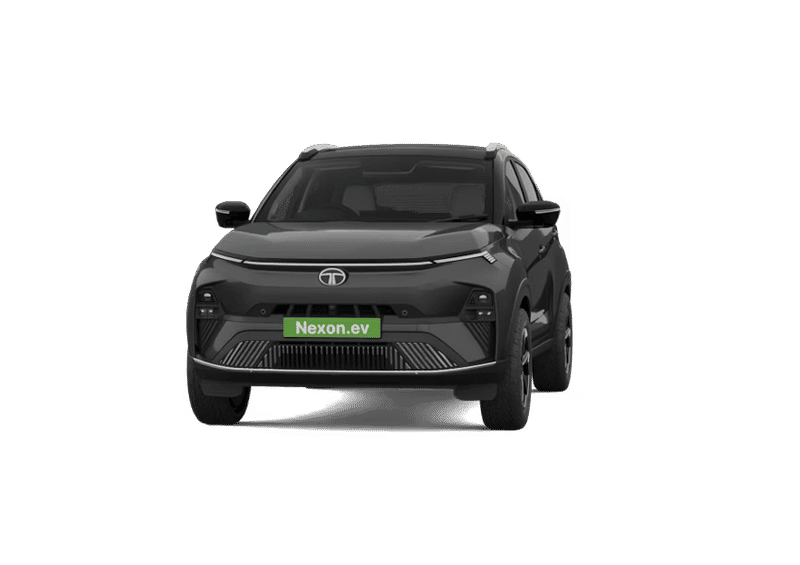
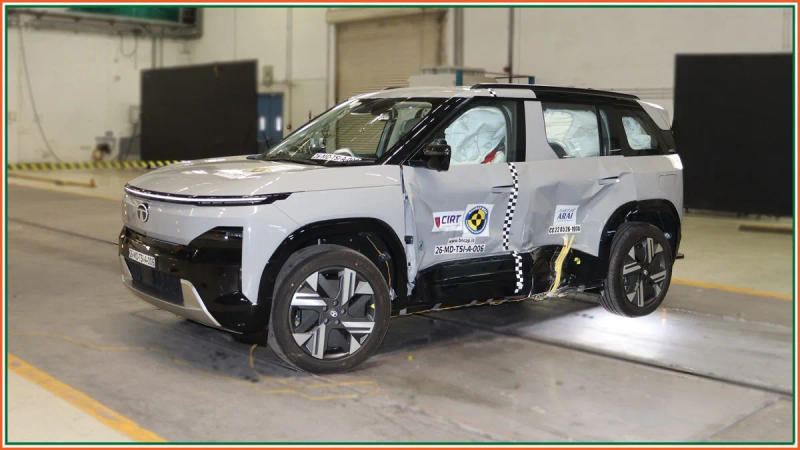
Central government departments replace a steady stream of staff cars every year, so making EVs the default creates regular demand for electric cars across the country. The higher ₹20 lakh ceiling also matters: it puts most mainstream electric cars and SUVs within reach of government buyers, rather than limiting them to the cheapest models.
Source: Department of Expenditure office memorandum dated 10 November 2026, as reported by The Federal.