If you search for upcoming electric cars in India, you'll find listing sites claiming the Mahindra Thar.e, VinFast VF3, JSW's iCar V23 and Hyundai's small EV are all launching in November 2026. We checked these dates against company statements and reliable reports. Most of them are placeholders that won't happen this month.
Here is the real timeline as of mid-November 2026.
Quick Summary
Model | Real status | Expected price |
|---|
MINI Cooper SE (2nd gen) | Expected Nov 27, 2026 | ~₹50 lakh (estimate) |
Hyundai small EV (HE1i) | Jan–Mar 2027 (company guidance) | Not announced |
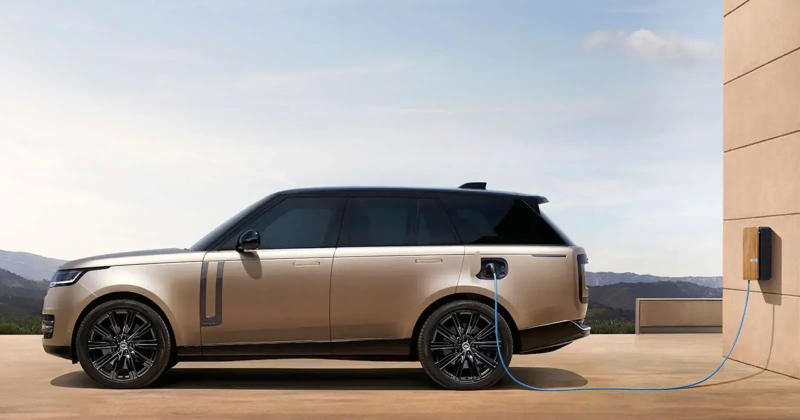
Range Rover Electric / Sport Electric | During 2027 (JLR India) | Not announced |
Mahindra Thar.e | 2027 at the earliest (unconfirmed) | ~₹20–25 lakh (estimate) |
JSW iCar V23 | 2027 (unconfirmed) | ~₹17–30 lakh (estimates vary) |
VinFast VF3 | On hold, no date | – |
MINI Cooper SE: The One Actually Due This Month
The second-generation MINI Cooper SE is expected to launch in India on November 27, 2026, alongside a Paul Smith Edition. It replaces the first-generation Cooper SE, which went on sale in India in February 2022 at ₹47.20 lakh and was discontinued in December 2025.
The new car is a big step up. Going by MINI's global specifications:
- Battery: 54.2 kWh (up from 32.6 kWh)
- Range: up to 402 km WLTP (the old model managed about 270 km)
- Power: 160 kW and 330 Nm, front-wheel drive
- 0–100 km/h: 6.7 seconds; top speed 170 km/h
- Charging: up to 95 kW DC, 10–80% in about 30 minutes
Inside, the highlight is a 9.45-inch circular OLED touchscreen that also serves as the instrument display. BMW India hasn't announced prices yet; Autocar India estimates around ₹50 lakh. India-specific range and features will be confirmed at launch, and we'll update you on the day.
Hyundai's Made-for-India Small EV: Early 2027
Hyundai Motor India has confirmed a dedicated, mass-market electric car developed for India, codenamed HE1i. The company's guidance points to January–March 2027 (Q4 FY27), not November 2026. Some reports suggest it could be called 'Ioniq P', but Hyundai hasn't confirmed the name.
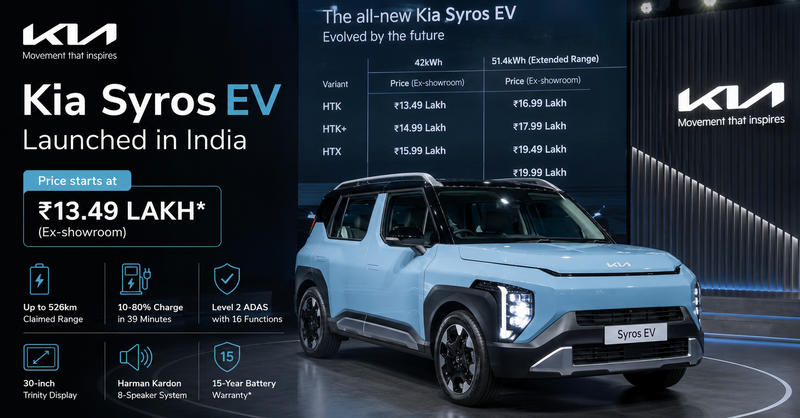
It shares its platform with the global Hyundai Inster but is a distinct model, to be built at Hyundai's Sriperumbudur plant near Chennai. Standard- and long-range battery options are expected, along with Level 2 ADAS. It will take on the Tata Nexon EV, Tata Punch EV, Mahindra XUV 3XO EV and Kia Syros EV. Price estimates vary too widely to be useful until Hyundai confirms.
Range Rover Electric and Range Rover Sport Electric: 2027
JLR India has confirmed the Range Rover Electric and Range Rover Sport Electric will launch in India during 2027, initially as imports, along with the new Jaguar GT. These will be JLR's first EVs in India.
Mahindra Thar.e: 2027 at the Earliest
The 15 November 2026 date on some listing sites for the Thar.e is a tentative placeholder. Mahindra has not announced it, and no credible report supports it. Mahindra first showed the Vision Thar.e concept in August 2023, and reports indicate its next new EV is the BE.07 in 2027, with no other new EV planned for 2026.
The Thar.e is expected to bring all-wheel drive. Estimated prices of ₹20–25 lakh, and any battery or range figures you see, are speculation until Mahindra confirms. Expect it in 2027 at the earliest.
JSW iCar V23: 2027, After JSW's First SUV
JSW Motors is the JSW Group's own car brand, developed with technology from China's Chery and separate from JSW MG Motor. It plans to sell a JSW-badged version of the boxy iCar V23 electric SUV in India, and test vehicles have been spotted on Indian roads.
But JSW's first product is a plug-in hybrid SUV based on the Jetour T2, reportedly due for unveiling in early December 2026. That one is not an EV. The V23 is expected after it, in 2027. Globally, the V23 is offered with 59.93 kWh and 81.76 kWh batteries in single-motor RWD and dual-motor AWD forms.
VinFast VF3: On Hold
The tiny two-door VinFast VF3 was expected in India in 2026 as a rival to the MG Comet. In September, Reuters reported that VinFast had told suppliers to pause localisation work on the VF3 (along with the VF6 and VF7) over cost targets.
VinFast says India remains an important market, and it continues to assemble the VF6 and VF7 at its Thoothukudi plant in Tamil Nadu. But there is no confirmed launch date for the VF3, and the late-November date on listing sites isn't backed by the company.
How to Spot a Fake Launch Date
Many car listing sites fill in an 'expected launch date' for every model, often marked 'tentative' in small print. These get copied widely and can look official. Before you delay a purchase waiting for a new EV, check whether the date comes from the carmaker itself or a reputable news report.
We'll keep this list updated as companies confirm dates and prices.
Image: BMW Group (international model shown)