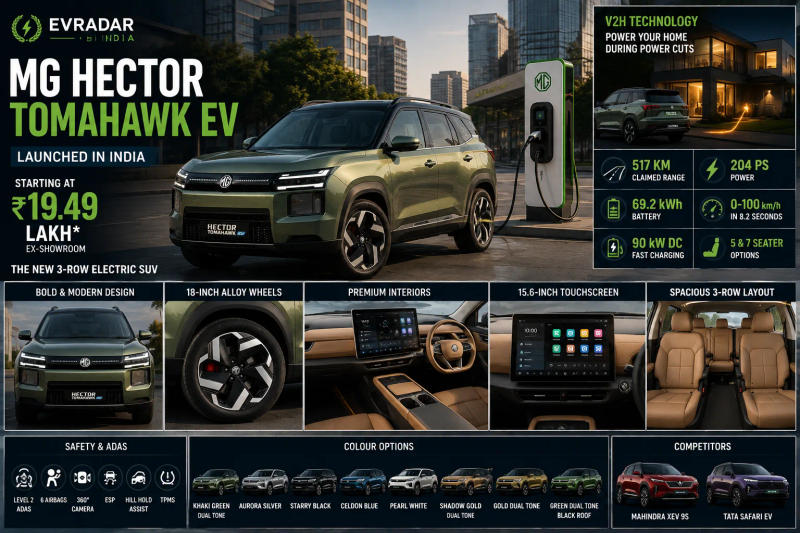
India's Electric Vehicle Market Gains Momentum as Fuel Costs Rise
Quick Summary
India's electric vehicle market is accelerating in 2026 as rising fuel prices, government regulations, and new EV launches boost adoption. Explore the latest EV trends, challenges, and future outlook.
Enjoyed this article?

Advertisement
India's EV Revolution Picks Up Speed Amid Rising Fuel Costs
India's electric vehicle (EV) industry is entering a new phase of growth as consumers increasingly look for alternatives to expensive petrol and diesel vehicles. With fuel prices rising and environmental regulations becoming stricter, electric mobility is gaining traction across multiple vehicle segments.
Recent market trends indicate that EV adoption is no longer limited to early adopters. More buyers are now considering electric cars, scooters, and three-wheelers as practical long-term transportation solutions.
Electric Car Sales Continue to Grow
The Indian electric car market recorded strong growth during the last financial year. EVs have now crossed an important milestone by accounting for more than 5% of total passenger vehicle sales, a level often considered significant for wider market acceptance.
Premium vehicle categories are leading this shift. In segments where vehicles are priced above ₹10 lakh, electric models are capturing a growing share of new purchases.
Meanwhile:
Electric three-wheelers have achieved substantial market penetration.
Electric scooters and motorcycles continue to attract urban commuters.
Fleet operators are increasingly choosing EVs to reduce operating costs.
Rising Fuel Prices Strengthen the Case for EVs
One of the biggest reasons behind the surge in EV interest is the increase in fuel prices.
India remains heavily dependent on imported crude oil, making domestic fuel costs vulnerable to global market fluctuations. Recent geopolitical tensions have pushed oil prices higher, leading many consumers to reassess the economics of vehicle ownership.
For daily commuters and businesses, electric vehicles offer:
Lower running costs
Reduced dependence on fuel price fluctuations
Lower maintenance expenses
Long-term savings
As a result, many buyers are now comparing total ownership costs rather than just the initial purchase price.
Upcoming Regulations Could Accelerate EV Adoption
Another major factor driving the EV market is the introduction of stricter vehicle emission standards.
India's proposed CAFE-3 (Corporate Average Fuel Efficiency) norms are expected to push automakers toward cleaner technologies. These regulations aim to significantly reduce carbon emissions from passenger vehicles over the coming years.
Industry experts believe that stricter compliance requirements may encourage manufacturers to:
Launch more electric vehicles
Increase investments in EV technology
Expand battery production capabilities
Improve vehicle efficiency
Several state governments are also introducing policies designed to reduce dependence on traditional internal combustion engine vehicles.
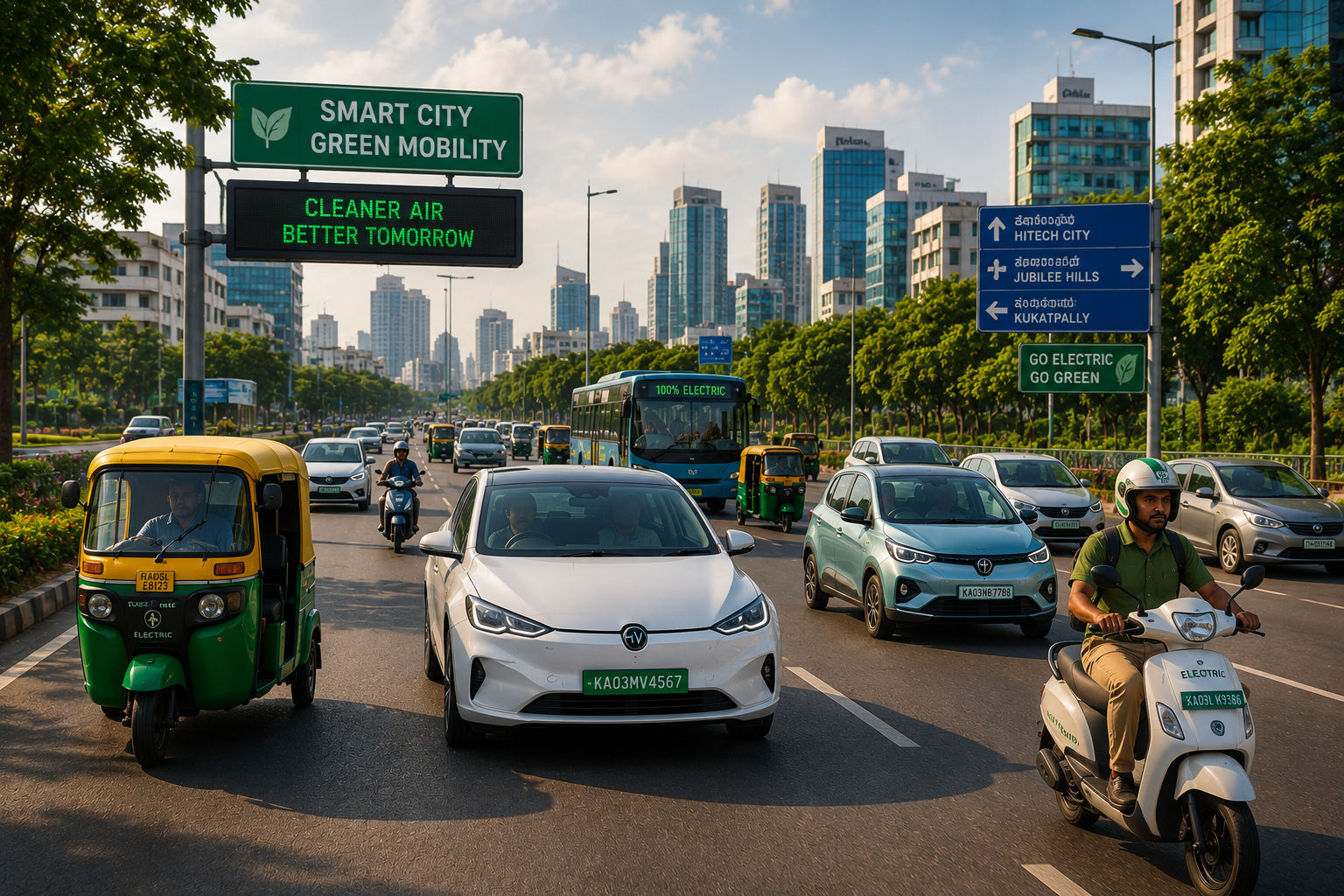
Launches Expected to Boost Demand
Automakers are preparing an extensive pipeline of electric vehicle launches across different price segments.
Consumers can expect:
Electric Cars
Affordable city EVs
Compact SUVs
Premium electric sedans
Long-range family vehicles
Electric Two-Wheelers
Budget-friendly scooters
High-performance electric motorcycles
Smart connected mobility solutions
Commercial EVs
Cargo three-wheelers
Delivery vehicles
Fleet-focused electric transportation
Greater product variety is expected to attract a wider range of buyers over the next few years.
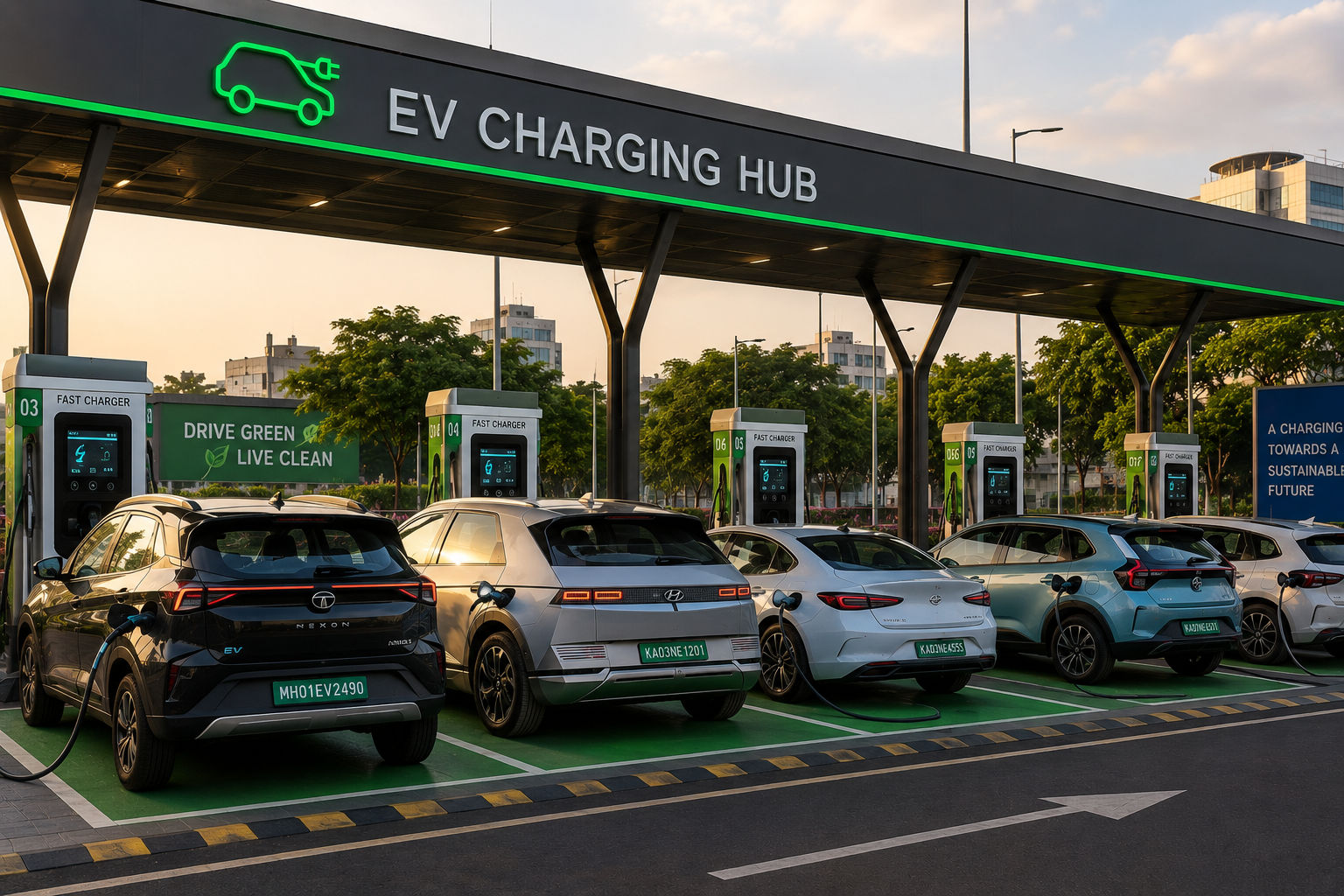
Charging Infrastructure Remains a Key Challenge
Despite the positive momentum, charging infrastructure remains one of India's biggest hurdles.
Although the number of public charging stations has increased significantly in recent years, availability remains uneven across the country.
Major concerns include:
Limited charging stations in smaller cities
Long-distance travel challenges
Charging wait times
Inconsistent infrastructure quality
Many consumers continue to experience "range anxiety," the fear that a vehicle may not have enough battery charge to complete a journey.
Expanding charging networks will be critical for mass-market EV adoption.
Supply Chain Dependencies Create Risks
Battery manufacturing remains heavily dependent on critical minerals such as lithium, cobalt, and rare earth materials.
Global supply chains are currently concentrated in a few countries, creating potential risks for manufacturers worldwide.
India is actively exploring strategies to strengthen domestic capabilities through:
Local battery production
Mineral sourcing partnerships
Recycling initiatives
Manufacturing incentives
However, building a fully integrated EV supply chain is expected to take several years.
The Road Ahead for India's EV Industry
India's electric vehicle sector appears well-positioned for long-term growth. Rising fuel costs, expanding model choices, supportive regulations, and increasing consumer awareness are all contributing to stronger demand.
To unlock its full potential, the country will need:
Faster charging infrastructure expansion
Clear and consistent policy implementation
Stronger domestic battery manufacturing
Continued investment from automakers
If these challenges are addressed successfully, India could emerge as one of the world's fastest-growing electric vehicle markets during the next decade.
Advertisement
Found this helpful?
Share with your friends & EV community