India's EV Market Could Cross 30 Million Annual Sales by 2032
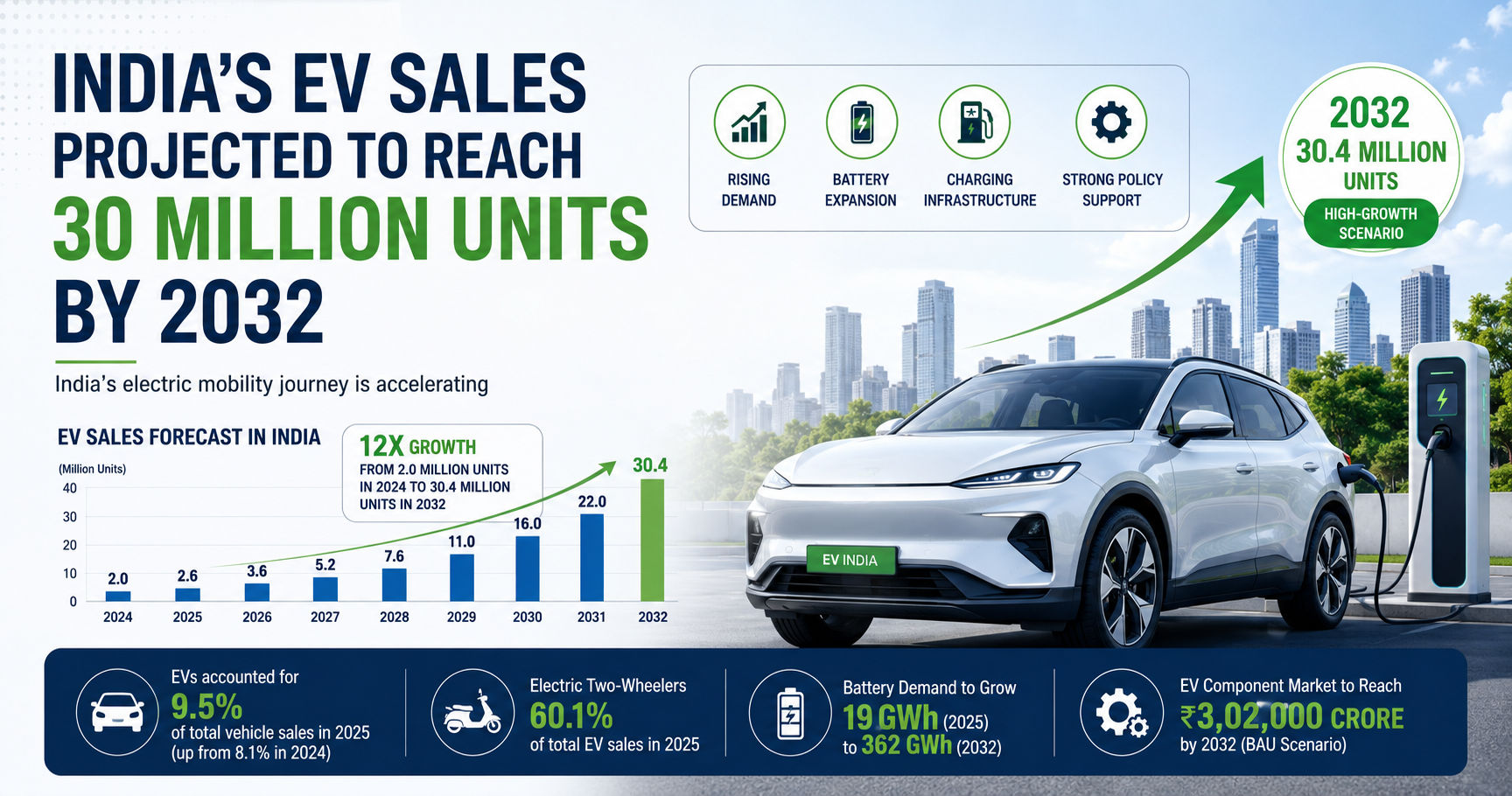
India's electric vehicle (EV) industry is entering a new phase of accelerated growth, with projections indicating that annual EV sales could exceed 30 million units by 2032 under an aggressive electrification scenario. Rising fuel costs, expanding model choices, improving charging infrastructure, and stronger domestic manufacturing capabilities are expected to play a key role in driving this transformation.
EV Adoption Continues to Accelerate
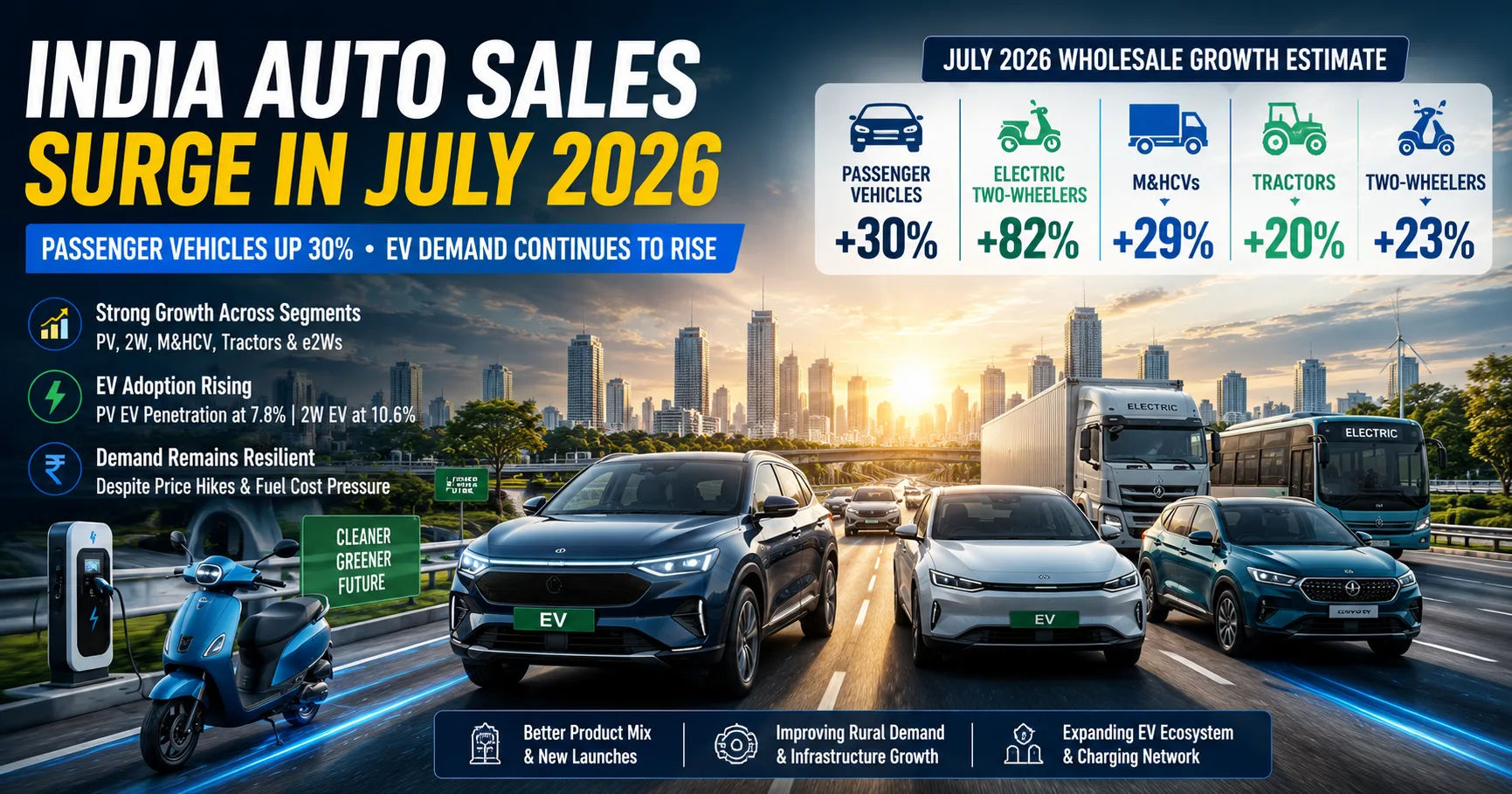
The Indian EV market has shown consistent growth over the past few years. Annual EV sales increased significantly in 2025 compared to the previous year, highlighting growing consumer confidence in electric mobility.
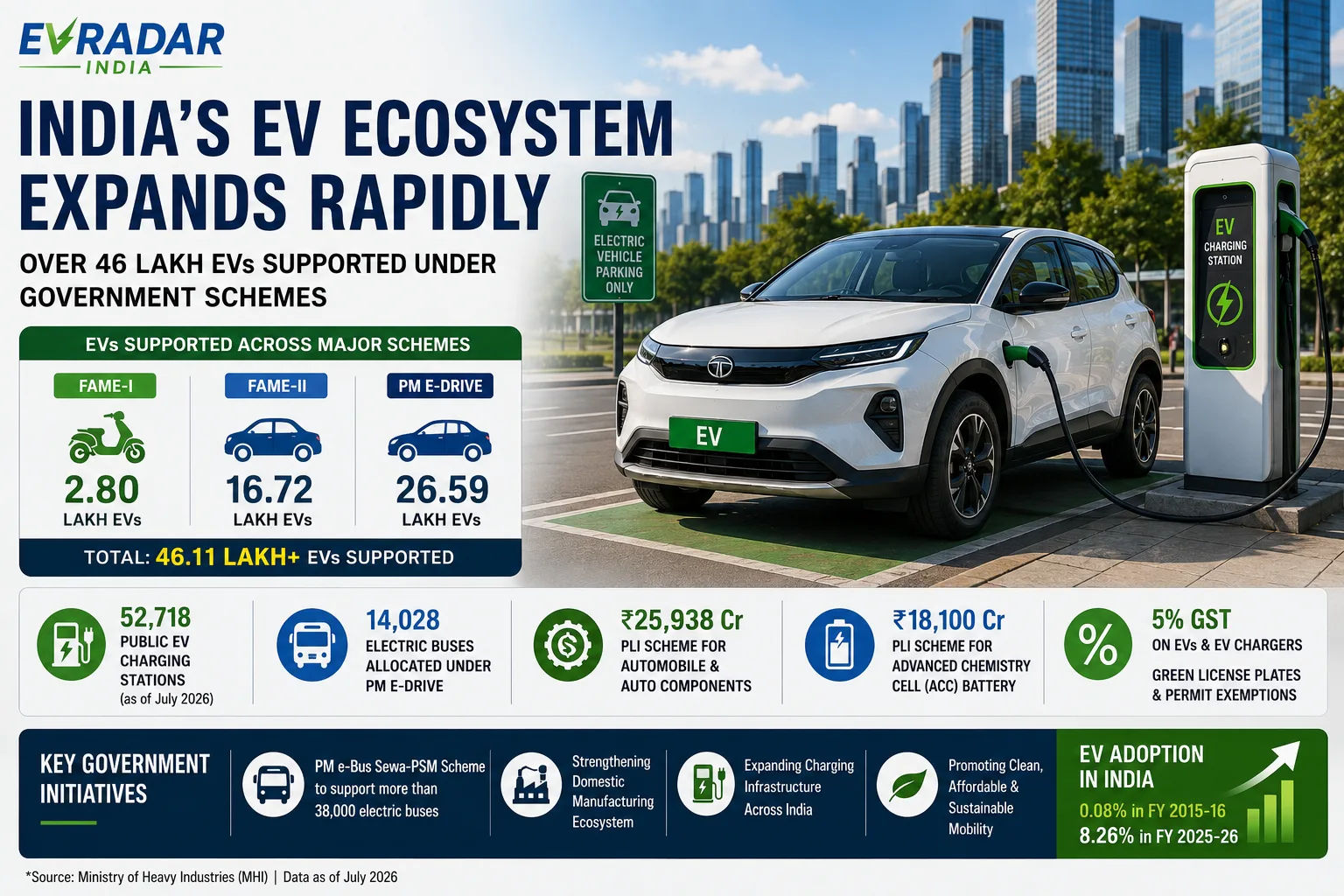
Electric vehicles now account for a larger share of total vehicle sales in India, reflecting a steady shift toward cleaner transportation solutions. Government incentives, lower operating costs, and increasing awareness about sustainability continue to encourage adoption across multiple vehicle segments.
Electric Two-Wheelers Lead the Market
Electric two-wheelers remain the largest contributor to India's EV ecosystem, accounting for the majority of EV sales. Their affordability, low running costs, and suitability for urban commuting have made them the preferred choice for consumers.
Electric three-wheelers continue to play a major role in commercial transportation and last-mile mobility, while electric passenger vehicles are witnessing faster adoption as more manufacturers introduce new models and improved battery technologies.
Growing Demand for Electric Cars
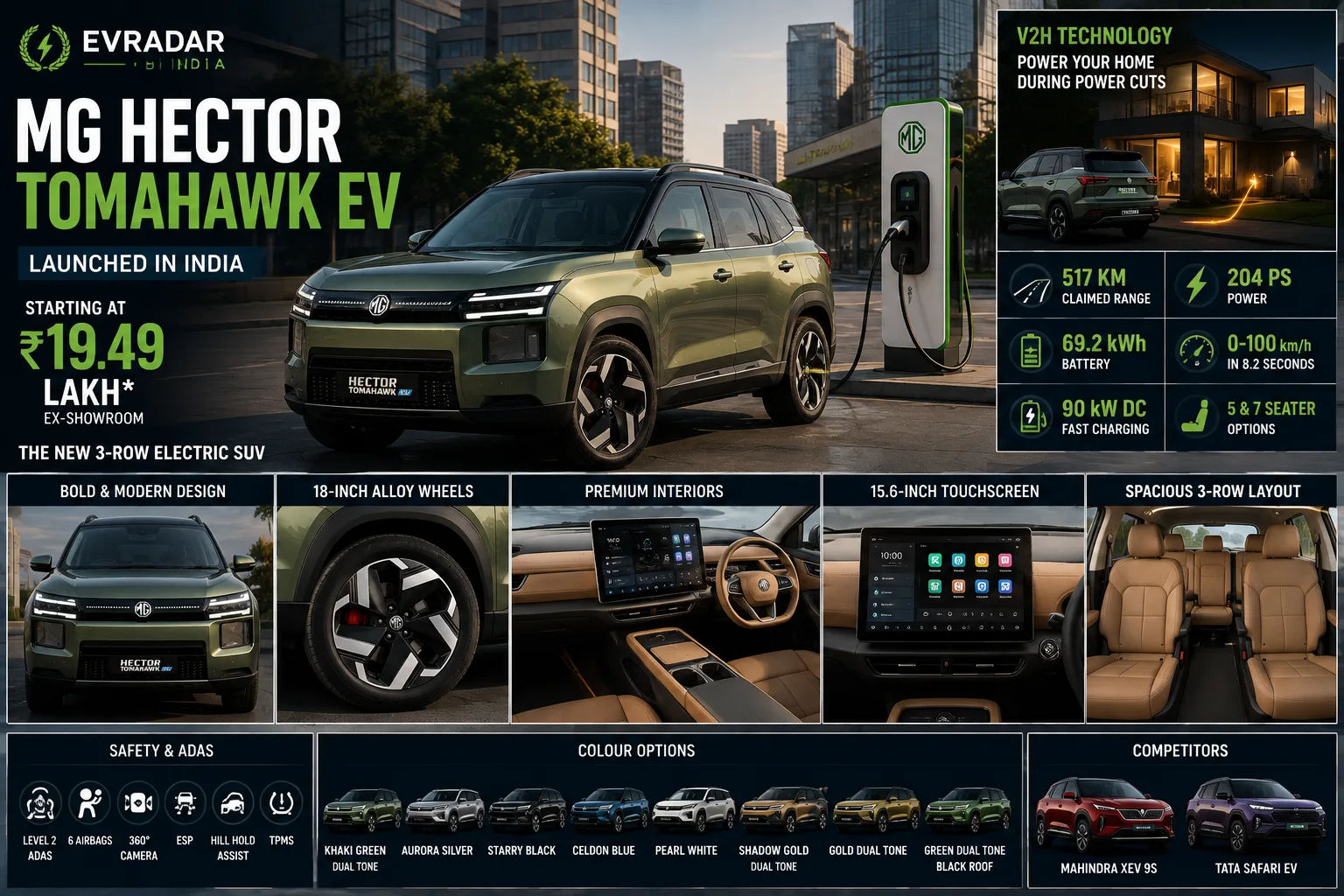
The electric passenger vehicle segment is emerging as one of the fastest-growing categories in India. A wider range of SUVs and premium EV offerings is attracting new buyers, while advancements in battery technology are improving driving range and ownership experience.
As charging networks expand across major cities and highways, consumer confidence in electric cars is expected to strengthen further.
Battery Demand Set for Massive Expansion
Battery demand is expected to increase substantially over the coming years as EV adoption rises across all vehicle categories.
Passenger vehicles are becoming the largest consumers of battery capacity due to their larger battery packs. Electric buses, despite lower sales volumes, contribute significantly to battery demand because of their high-capacity energy storage requirements.
The growth of battery manufacturing, recycling, and supply chains will be crucial in supporting India's long-term EV ambitions.
Local Manufacturing Creates New Opportunities
India's EV component industry is also expected to expand rapidly. Battery packs, motors, power electronics, and battery management systems are becoming key focus areas for domestic manufacturers.
Industry experts believe that increasing localization of EV components can reduce import dependence, strengthen supply chains, create jobs, and improve India's competitiveness in the global electric mobility market.
Key Drivers Behind India's EV Growth
Rising fuel prices improving EV affordability
Expansion of public charging infrastructure
Growing availability of electric SUVs and passenger vehicles
Government incentives and policy support
Increasing domestic manufacturing investments
Advancements in battery technology
Strong demand for sustainable transportation
Outlook for 2032
India is positioned to become one of the world's largest electric vehicle markets over the next decade. Continued policy support, infrastructure development, battery manufacturing expansion, and consumer adoption will determine how quickly the country achieves its electrification goals.
If current momentum continues, electric mobility could reshape India's transportation sector while creating significant opportunities for manufacturers, suppliers, charging operators, and technology companies.
FAQs
1. How many electric vehicles are expected to be sold in India by 2032?
Industry projections suggest India's annual EV sales could exceed 30 million units by 2032 under a high-growth electrification scenario, supported by policy initiatives, infrastructure expansion, and increasing consumer adoption.
2. Which EV segment currently dominates the Indian market?
Electric two-wheelers remain the largest segment in India's EV market, driven by affordability, lower operating costs, and growing demand for urban mobility solutions.
3. Why is EV adoption increasing in India?
Several factors are contributing to EV adoption, including rising fuel prices, government incentives, expanding charging infrastructure, improved battery technology, and a wider selection of electric vehicle models.
4. What role do electric cars play in India's EV growth?
Electric passenger vehicles are becoming an important growth driver as manufacturers introduce new models with better range, advanced features, and improved charging capabilities.
5. How important is battery demand for the EV industry?
Battery demand is a key indicator of EV market growth. As more electric vehicles enter the market and battery capacities increase, demand for battery manufacturing and supply chains continues to expand.
6. What challenges does India's EV industry face?
Key challenges include charging infrastructure expansion, battery supply chain development, component localization, and reducing dependence on imported EV technologies.
7. How is local manufacturing impacting the EV sector?
Increased domestic manufacturing of batteries, motors, power electronics, and EV components can reduce costs, improve supply chain resilience, and create employment opportunities across India.
8. Will charging infrastructure grow alongside EV adoption?
Yes. Public and private investments in charging stations are increasing rapidly across cities, highways, and commercial locations to support the growing EV ecosystem.
9. Which vehicle categories are expected to see the fastest growth?
Electric passenger vehicles, electric buses, and commercial EVs are expected to witness significant growth alongside the already strong electric two-wheeler and three-wheeler segments.
10. What does the future look like for India's EV market?
India is expected to become one of the world's leading EV markets, driven by strong consumer demand, technological innovation, supportive government policies, and expanding manufacturing capabilities.