India's electric vehicle (EV) market achieved a significant milestone in May 2026, recording its highest-ever monthly sales across multiple vehicle segments. According to data released by the Federation of Automobile Dealers Associations (FADA), electric vehicles accounted for approximately 11% of all vehicle retail sales during the month.
A total of 271,682 electric vehicles were sold, representing a strong 45% increase compared to May 2025. The growth highlights the increasing acceptance of electric mobility among Indian consumers and businesses.
Electric Two-Wheelers Continue to Lead
Electric scooters and motorcycles remained the largest contributors to EV sales, with registrations reaching 170,733 units. This segment recorded a year-on-year growth of 63%, while market penetration increased from 6.1% to 9.3%.
The growing popularity of electric two-wheelers is being driven by lower operating costs, improved battery technology, and expanding charging infrastructure.
Three-Wheelers Remain the Most Electrified Segment
Electric three-wheelers continued to dominate their category, accounting for over 64% of total three-wheeler sales. This segment has become one of the strongest examples of successful EV adoption in India, particularly in commercial and last-mile transportation.
Passenger EVs Witness Rapid Expansion
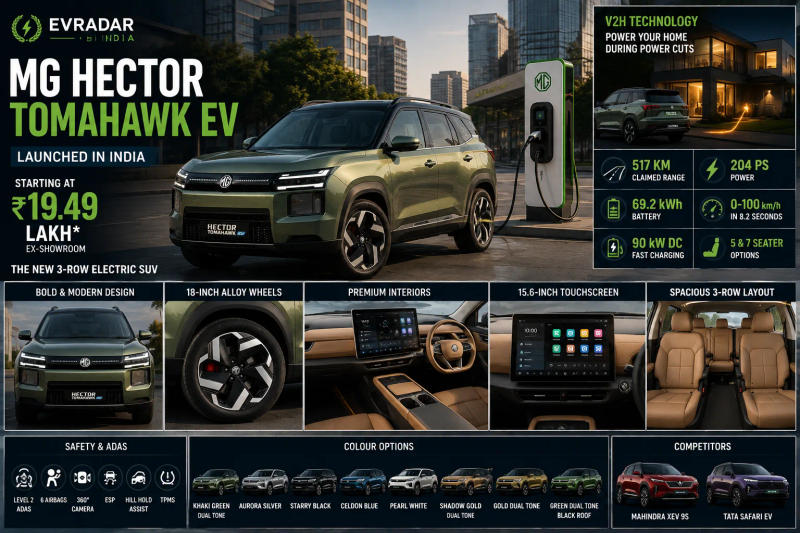
The passenger vehicle segment recorded one of the fastest growth rates. Electric car sales increased by 81% year-on-year, reaching 26,682 units. EV penetration in the passenger vehicle market also rose from 4.5% to 6.6%.
Industry experts attribute this growth to a wider range of electric vehicle models entering the market, giving buyers more choices across different price segments.
Commercial EVs Also Gain Momentum
Electric commercial vehicles more than doubled their sales compared to the previous year. Although overall adoption remains relatively low, the segment is gradually gaining traction as fleet operators explore cost-effective and environmentally friendly transportation solutions.
Rising Fuel Prices Encourage EV Adoption
One of the key factors supporting EV demand has been the increase in fuel prices. Recent geopolitical tensions in West Asia contributed to higher petrol and diesel costs, prompting consumers to consider alternatives with lower running expenses.
Industry observers note that ownership costs are becoming an increasingly important factor in vehicle purchase decisions, making electric vehicles more attractive to both individual buyers and businesses.
Industry Leaders See Long-Term Growth
Experts believe that India is approaching a critical growth phase for battery electric vehicles (BEVs). Improvements in charging infrastructure, growing consumer confidence, localized manufacturing, and the arrival of new EV models are expected to accelerate adoption in the coming years.
However, stakeholders emphasize that continued investment in public charging networks, accessible financing options, and stable policy support will be essential to sustain momentum.
Top EV Brands in May 2026
In the electric passenger vehicle category, Tata Motors maintained its leadership position, followed by Mahindra & Mahindra and JSW MG Motor India.
Among electric two-wheelers, TVS Motor led the market, with Bajaj Auto and Ather Energy securing the next positions.
A Turning Point for India's Mobility Sector
The strong performance recorded in May 2026 reflects a broader transformation underway in India's automotive industry. Alongside electric vehicles, alternative fuel technologies such as CNG, LNG, and hybrid vehicles are also gaining popularity.
As consumers increasingly seek efficient, sustainable, and cost-effective transportation options, the shift toward cleaner mobility solutions is expected to play a major role in shaping the future of India's automotive landscape.
Source: Federation of Automobile Dealers Associations (FADA) retail sales data, May 2026.