India's electric mobility landscape continues to evolve as major automotive manufacturers invest heavily in charging infrastructure and next-generation vehicle platforms. Recent announcements from Hyundai Motor India and JSW MG Motor India highlight how the country's EV ecosystem is moving beyond vehicle launches toward creating a stronger foundation for long-term growth.
From expanding nationwide charging access to developing flexible vehicle architectures that support multiple powertrain technologies, the industry is preparing for the next phase of sustainable transportation.
Hyundai Strengthens Its EV Charging Ecosystem
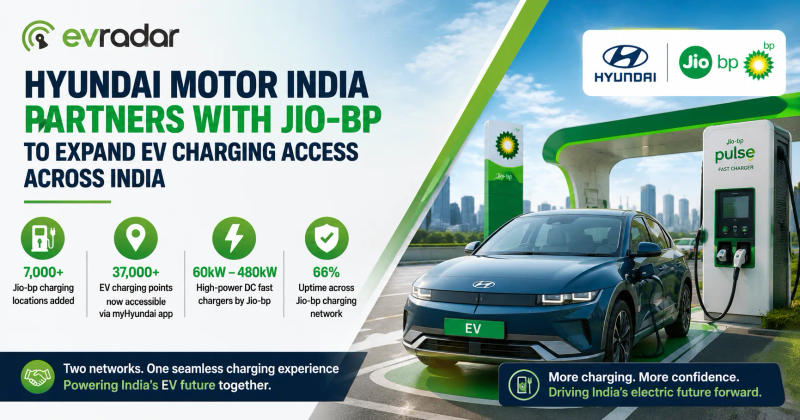
Hyundai is expanding its EV charging ecosystem by increasing the availability of charging points accessible through its connected mobility platform.
The company aims to make charging more convenient by integrating thousands of public charging locations into a single digital experience, allowing EV users to locate, navigate, and access charging stations more efficiently.
This approach also promotes interoperability, enabling charging support for a broader EV community rather than limiting access to a single vehicle brand.
Fast Charging Network Continues to Grow
Alongside its digital charging platform, Hyundai is investing in its own fast-charging infrastructure.
The company plans to significantly increase the number of DC fast charging stations across key cities, highways, dealerships, and travel corridors over the coming years.
Expanding fast-charging infrastructure is expected to:
Improve long-distance EV travel
Reduce charging time
Increase consumer confidence
Support growing EV ownership
Strengthen nationwide charging accessibility
Why Charging Infrastructure Matters
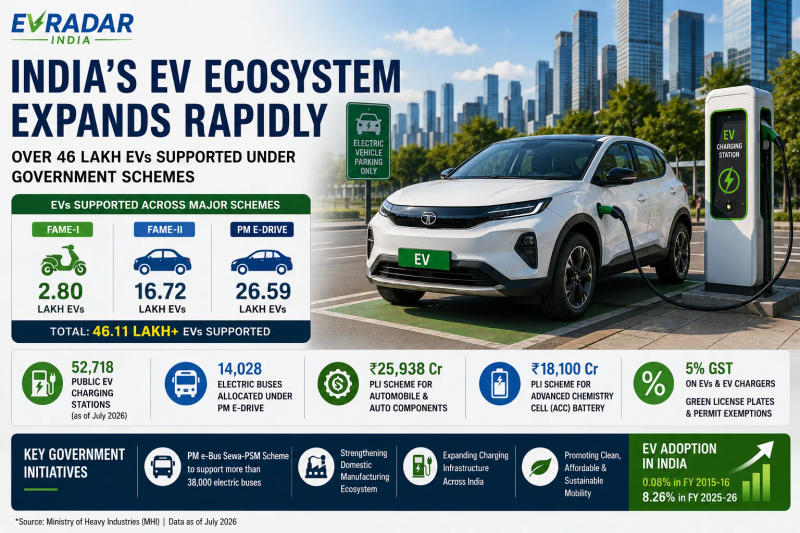
Charging availability remains one of the biggest factors influencing EV adoption.
As more charging stations become available across urban centers and highways, concerns about range anxiety continue to decline.
Industry experts believe a well-connected charging ecosystem will play a major role in encouraging more consumers to switch from conventional vehicles to electric mobility.
Hyundai Preparing to Expand Its EV Portfolio
Along with charging infrastructure, Hyundai is expected to expand its electric vehicle lineup in India with additional EV models aimed at different customer segments.
A broader portfolio will give buyers more choices while supporting India's growing demand for electric passenger vehicles.
MG Introduces ADAPT: A Flexible Multi-Energy Vehicle Platform
JSW MG Motor India has introduced MG ADAPT (Advanced Drive Architecture Platform Technology), a modular vehicle platform designed to support multiple new-energy powertrain technologies on a single architecture.
Instead of creating separate platforms for each propulsion system, MG's approach allows different energy technologies to share the same underlying vehicle architecture.
One Platform, Multiple Powertrains
The ADAPT platform has been designed to support:
⚡ Battery Electric Vehicles (BEVs)
🔋 Hybrid Electric Vehicles (HEVs)
🔌 Plug-in Hybrid Electric Vehicles (PHEVs)
⛽ Range-Extended Electric Vehicles (REEVs)
This flexible architecture enables manufacturers to respond more quickly to changing consumer preferences and future technological advancements.
Benefits of Modular Vehicle Platforms
A multi-energy platform offers several advantages for manufacturers and consumers alike.
Key Benefits
✅ Faster vehicle development
✅ Lower manufacturing complexity
✅ Improved production efficiency
✅ Greater flexibility for future technologies
✅ Better cost optimization
✅ Easier adaptation to market demand
Such modular platforms are becoming increasingly common across the global automotive industry as manufacturers prepare for a diverse future of electrified transportation.
Supporting India's Transition to Sustainable Mobility
The combination of expanding charging infrastructure and flexible vehicle platforms reflects a broader shift in India's automotive industry.
Manufacturers are no longer focusing only on launching electric vehicles—they are building the supporting ecosystem that includes:
Charging infrastructure
Connected mobility platforms
Battery technology
Hybrid solutions
Advanced vehicle architectures
Software-enabled mobility
Together, these investments will help accelerate India's transition toward cleaner transportation.
Outlook
India's EV ecosystem is entering a more mature phase where infrastructure, technology, manufacturing, and software are advancing together.
As charging availability improves and manufacturers introduce more flexible vehicle platforms, consumers will benefit from greater convenience, wider product choices, and improved ownership experiences.
These developments reinforce India's ambition to become one of the world's leading markets for electric and new-energy vehicles.
FAQs
1. What is Hyundai doing to improve EV charging in India?
Hyundai is expanding its charging ecosystem by integrating a large network of charging points into its connected platform while also increasing its own DC fast-charging infrastructure.
2. What is the MG ADAPT platform?
MG ADAPT is a modular vehicle architecture that supports multiple new-energy powertrains, including battery electric, hybrid, plug-in hybrid, and range-extended electric vehicles.
3. Why is charging infrastructure important?
A wider charging network improves convenience, reduces range anxiety, and encourages more consumers to adopt electric vehicles.
4. What types of vehicles can be built on the ADAPT platform?
The platform is designed for battery electric vehicles (BEVs), hybrid electric vehicles (HEVs), plug-in hybrid electric vehicles (PHEVs), and range-extended electric vehicles (REEVs).
5. Why are modular vehicle platforms becoming popular?
They reduce manufacturing complexity, improve production flexibility, lower costs, and allow automakers to support multiple powertrain technologies using a common architecture.
6. How will these developments benefit Indian consumers?
Consumers can expect better charging accessibility, more vehicle choices, improved ownership convenience, and faster adoption of advanced mobility technologies.