Tamil Nadu is preparing for a major boost in its electric vehicle ecosystem after receiving approval for 498 additional public EV charging points under the central government's PM E-DRIVE initiative.
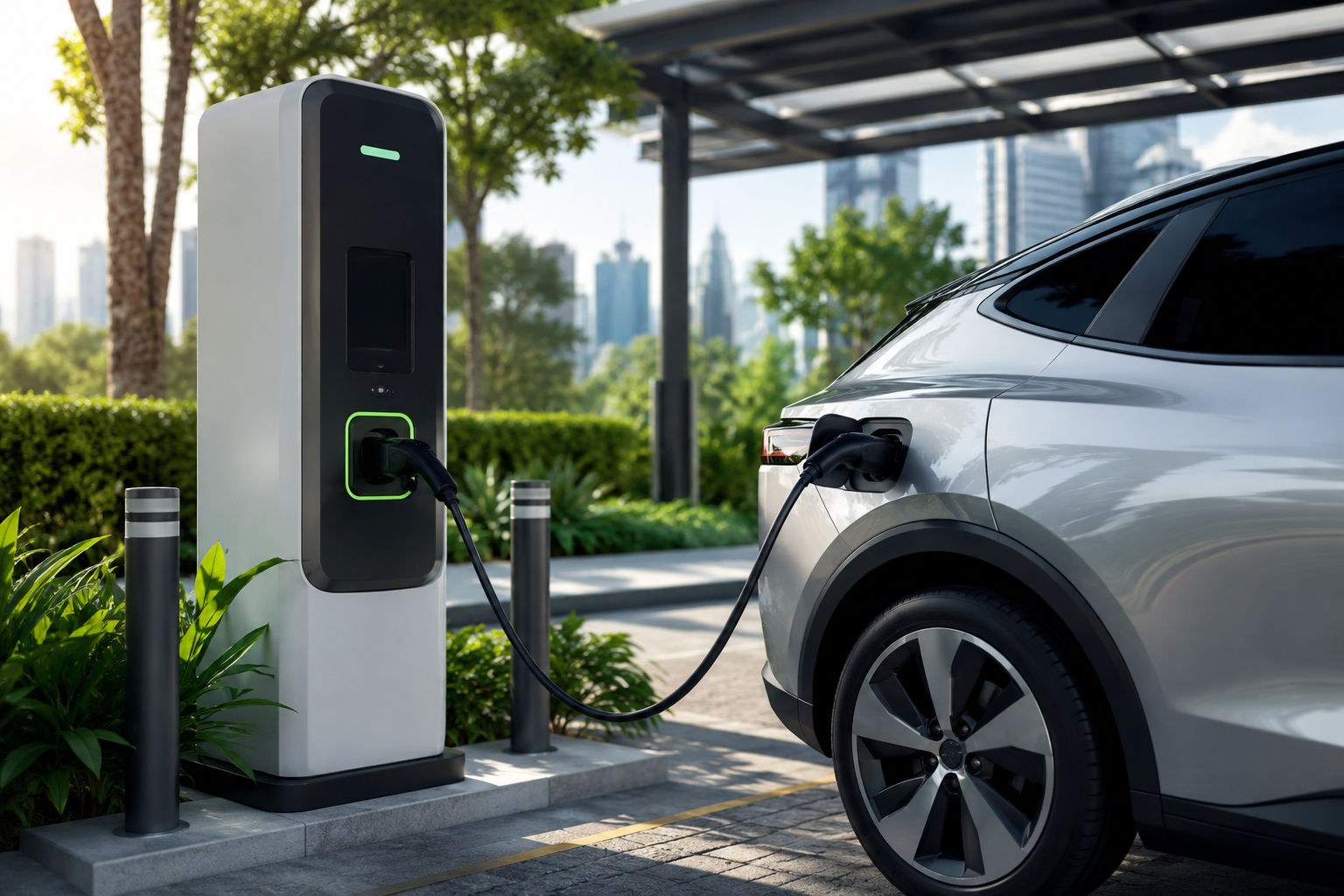
The expansion will significantly strengthen the state's charging network, which currently includes around 1,800 public charging stations.
Improving EV Accessibility Across Tamil Nadu
The newly approved charging infrastructure is expected to improve charging availability not only in Chennai but also in several growing tier-2 cities where EV adoption is steadily increasing.
The project will also focus on enhancing long-distance travel convenience by expanding charging facilities along major highway corridors.
At present, Tamil Nadu maintains a relatively healthy public charging network compared to many other Indian states, with approximately one charging station available for every 135 registered electric vehicles. However, users still face challenges when traveling between cities due to uneven charger distribution.
Focus on Key Highway Routes
A significant portion of the new charging stations is expected to be installed along the Chennai–Nagercoil highway corridor.
Important cities likely to benefit include:
Trichy
Madurai
Tirunelveli
Nagercoil
These additions aim to make highway travel more practical for EV owners, especially those driving electric cars over longer distances.
Reducing Range Anxiety for EV Owners
One of the biggest concerns among EV users is "range anxiety" — the fear of running out of battery power before reaching a charging station.
With more chargers being deployed along highways, drivers will have greater confidence while planning longer journeys across the state.
The expanded network is expected to support private vehicle owners, taxi operators, and commercial transportation users.
Funding Allocation Details
Tamil Nadu has received approximately ₹34.6 crore under the PM E-DRIVE scheme to develop these 498 charging points.
On average, this translates to around ₹6.9 lakh per charging point, which is lower than the national average allocation.
Funding amounts can vary from state to state depending on several factors, including:
Different charger categories involve different costs. For example, a high-capacity DC fast charger designed for buses is significantly more expensive than standard chargers intended for passenger cars or two-wheelers.
Focus on Cars and Two-Wheelers
According to current plans, the latest charging infrastructure approved for Tamil Nadu will primarily cater to electric cars and two-wheelers.
Heavy-duty charging stations for electric buses and trucks are not part of this phase of the rollout.
This focus may also explain the comparatively lower investment per charging point allocated to the state.
What This Means for Tamil Nadu's EV Future
As electric vehicle adoption accelerates, charging infrastructure will become a critical factor in supporting sustainable transportation.
The addition of nearly 500 new charging points represents another step toward making EV ownership more practical and convenient throughout Tamil Nadu.
By improving charging accessibility along urban centers and highway routes, the state is positioning itself as one of India's leading regions for electric mobility growth.
FAQs
1. How many new EV charging stations were approved in Tamil Nadu?
The central government approved 498 new EV charging points under the PM E-DRIVE scheme to strengthen Tamil Nadu's EV infrastructure.
2. Where will the new charging stations be installed?
The chargers are expected to be installed across major cities and highway corridors, including routes connecting Chennai, Trichy, Madurai, Tirunelveli, and Nagercoil.
3. What is the PM E-DRIVE scheme?
PM E-DRIVE is a government initiative designed to accelerate electric vehicle adoption by supporting charging infrastructure development and sustainable transportation.
4. Will these charging stations support electric buses?
No. The current phase primarily focuses on charging infrastructure for electric cars and two-wheelers.
5. Why is charging infrastructure important for EV adoption?
A strong charging network reduces range anxiety, improves travel convenience, and encourages more consumers to switch to electric vehicles.
6. How many public EV charging stations currently exist in Tamil Nadu?
Tamil Nadu already has around 1,800 public charging stations, and this expansion will further strengthen the network.