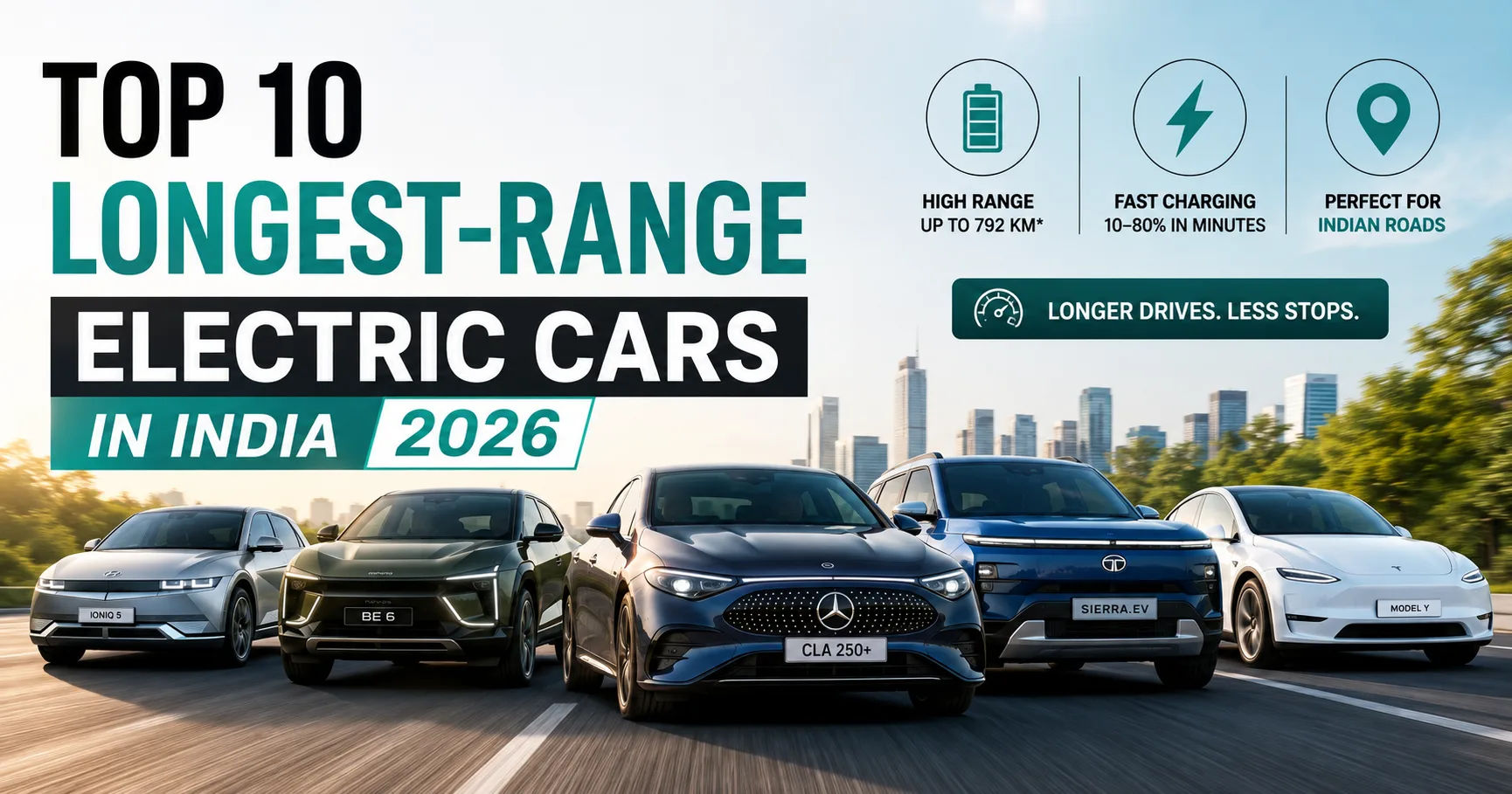
Top 10 Longest-Range Electric Cars in India in 2026
Quick Summary
Discover the 10 longest-range electric cars available in India in 2026, with claimed range, battery capacity, charging details and key features.
Enjoyed this article?
Advertisement
Electric cars in India have changed quite a bit over the last few years. A range of 300 or 400 km used to be considered more than enough for most buyers. Now, several EVs available in India claim more than 600 km on a single charge.
That doesn't mean you can drive 600 or 700 km every time you charge. The official figures come from controlled testing conditions, while real-world range depends on things such as speed, traffic, temperature, air-conditioning, road conditions and how aggressively the car is driven.
Still, the certified figures are useful when comparing different EVs.
So, which are the longest-range electric cars you can actually buy in India in 2026?
We've put together the top 10 based on the highest claimed range available for each model in the Indian market. Where manufacturers use different testing cycles, we've mentioned the certification rather than pretending all the numbers are directly comparable.
Top 10 longest-range electric cars in India
Rank | Electric car | Maximum claimed range | Battery |
|---|---|---|---|
1 | Mercedes-Benz CLA 250+ | 792 km WLTP | 85.5 kWh |
2 | Hyundai IONIQ 5 | 690 km ARAI | 84 kWh |
3 | Mahindra BE 6 | 683 km MIDC | 79 kWh |
4 | Tesla Model Y L | 681 km WLTP | — |
5 | Tata Sierra EV | 665 km MIDC | 75 kWh |
6 | Kia EV6 | 663 km ARAI/MIDC | 84 kWh |
7 | Mahindra XEV 9e | 656 km MIDC | 79 kWh |
8 | BMW iX xDrive50 | 635 km WLTP | 111.5 kWh |
9 | Tata Harrier.ev | 627 km MIDC | 75 kWh |
10 | BYD SEAL | 650 km claimed* | — |
*BYD quotes up to 650 km for the SEAL Premium. Its published figure uses a different test basis, so it should not be treated as a direct equivalent to ARAI/MIDC or WLTP figures.
Note: Rankings can change if only one certification standard is used. This list is intended to show the longest-range EVs currently available in India while clearly identifying the test cycle used by each manufacturer.
1. Mercedes-Benz CLA 250+ – up to 792 km
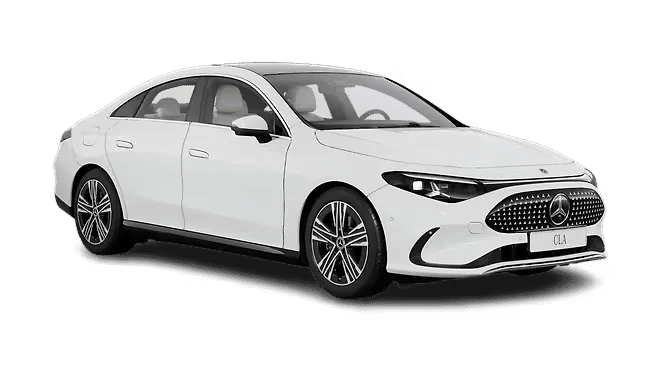
The Mercedes-Benz CLA 250+ is currently one of the most interesting long-range EVs available in India.
Its headline number is 792 km of WLTP range, which puts it right at the top when looking at the maximum published range figures for EVs sold in India. The CLA 250+ uses an 85.5 kWh battery and is designed around Mercedes-Benz's newer electric architecture.
The interesting part is that the CLA isn't a huge luxury sedan like the EQS. It is a smaller, more aerodynamic car, and that helps explain how Mercedes has managed to extract so much range from its battery.
For someone who regularly drives between cities, this kind of efficiency could be more useful than simply having a massive battery.
The 792 km figure is a WLTP number, however, so it shouldn't be interpreted as a guaranteed 792 km in Indian highway conditions. Actual range will vary considerably depending on speed, weather and driving style.
Claimed range: 792 km
Battery: 85.5 kWh
Test cycle: WLTP
The CLA 250+ is therefore a strong choice for buyers who want a premium EV but don't want to move into the much larger EQS.
2. Hyundai IONIQ 5 – up to 690 km
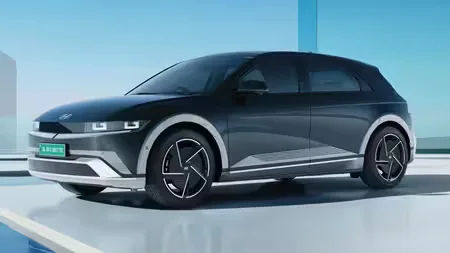
The Hyundai IONIQ 5 has always been one of the more distinctive EVs on the Indian market, but the updated version has made its range figure even more interesting.
For 2026, Hyundai India has introduced the IONIQ 5 with a larger 84 kWh battery, giving it a claimed 690 km ARAI-certified range.
That makes it one of the longest-range EVs currently available in India.
The IONIQ 5 is also interesting because range isn't its only strength. It uses Hyundai's E-GMP platform and supports extremely fast DC charging. Hyundai says that with a suitable 350 kW charger, the battery can go from 10 to 80 percent in around 18 minutes.
Of course, finding a 350 kW charger isn't the same thing as having one at every highway stop in India. But the underlying technology makes the IONIQ 5 particularly well suited to long-distance EV travel.
Hyundai currently lists the new IONIQ 5 at an ex-showroom price of ₹55.70 lakh in India.
Claimed range: 690 km
Battery: 84 kWh
Certification: ARAI
Price: ₹55.70 lakh onwards, ex-showroom
3. Mahindra BE 6 – up to 683 km
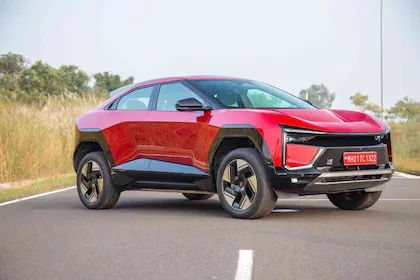
If you don't want to spend ₹50 lakh or more on an electric car, the Mahindra BE 6 changes the conversation.
The top-spec BE 6 with its 79 kWh battery has a certified range of 683 km under the MIDC Part 1 + Part 2 cycle. Mahindra also says its internal testing has produced more than 500 km of real-world range in certain city-driving conditions with air-conditioning.
And that's what makes the BE 6 particularly important.
It isn't trying to compete with the Mercedes CLA or BMW iX purely on luxury. Instead, Mahindra has brought a very high claimed range into a much more accessible part of the market.
The 79 kWh version produces 210 kW and can accelerate from 0 to 100 km/h in 6.7 seconds. Mahindra also claims a 20–80 percent charging time of under 20 minutes using a 175 kW DC charger.
For buyers who want an Indian electric SUV with plenty of range and performance, the BE 6 is one of the strongest options right now.
Claimed range: 683 km
Battery: 79 kWh
Certification: MIDC P1 + P2
Top power: 210 kW
4. Tesla Model Y L – up to 681 km
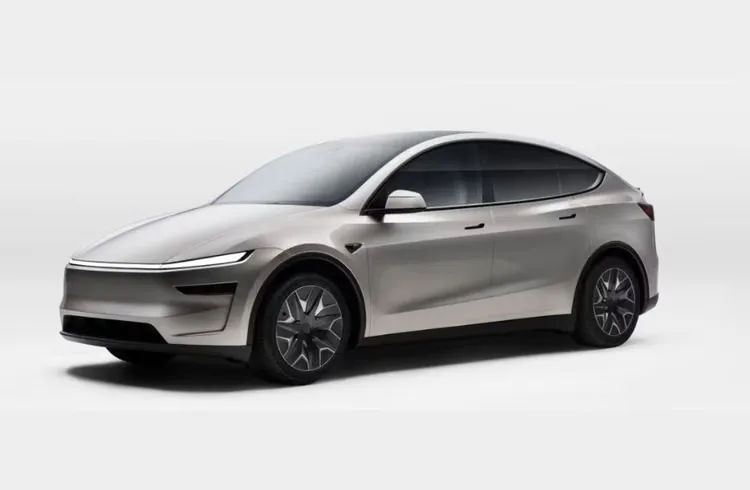
Tesla's arrival in India has added another major name to the long-range EV market.
The Model Y L is the extended version of Tesla's electric SUV and is listed by Tesla India with a 681 km WLTP range. It also offers three-row seating with space for up to six occupants.
The Model Y L is particularly interesting for families because it combines a long range with the flexibility of three rows.
Tesla quotes a 0–100 km/h time of 5.0 seconds for the Model Y L and a maximum Supercharging rate of 250 kW. The company says up to 288 km can be added in 15 minutes under its stated conditions.
As with every EV on this list, though, the official range should be treated as a reference rather than a promise. Tesla itself notes that actual driving range can vary with vehicle configuration, battery temperature, speed, weather and elevation changes.
Claimed range: 681 km
Certification: WLTP
Seating: Up to 6
Drivetrain: Dual-motor AWD
5. Tata Sierra EV – up to 665 km
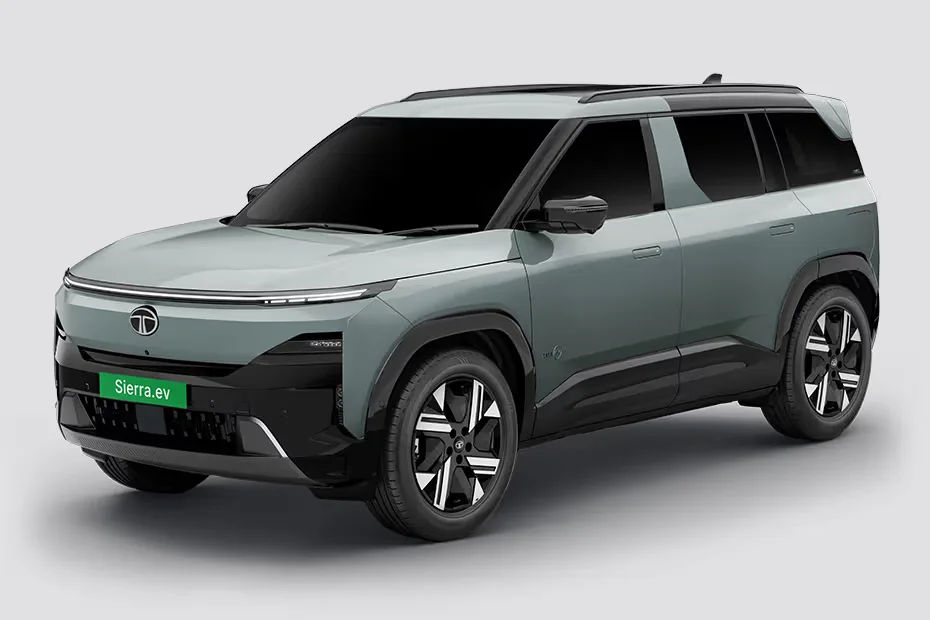
Tata Motors has made a big jump in electric-car range with the Sierra.ev.
The long-range version uses a 75 kWh battery and has a claimed 665 km MIDC range. Tata's own specifications show a lower figure for the all-wheel-drive version, so the 665 km number applies to the 75 kWh RWD version.
For Tata, this is an important step. The company has already built a strong presence in India's EV market, but the Sierra brings a much bigger focus on long-distance driving.
Tata says the 75 kWh version can add up to 263 km of claimed range in 15 minutes under suitable fast-charging conditions.
The Sierra also has a practical advantage over many sedans on this list: it is an SUV. That makes it easier to consider for family use, luggage-heavy trips and long highway journeys.
Claimed range: 665 km
Battery: 75 kWh
Certification: MIDC
Fast charging: Up to 263 km in 15 minutes, claimed
6. Kia EV6 – up to 663 km
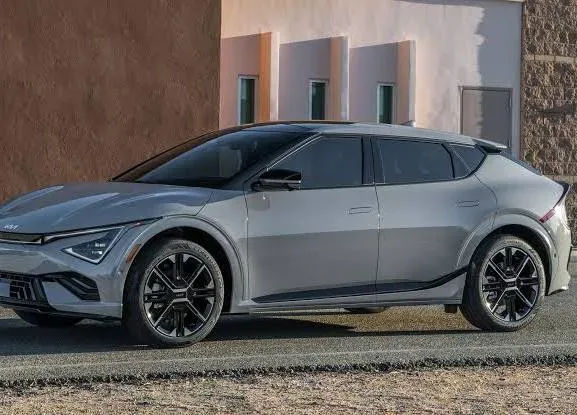
The Kia EV6 has been one of India's most interesting premium EVs since it arrived here, and the latest version continues to focus heavily on range and charging.
The India-spec EV6 uses an 84 kWh battery and has a claimed 663 km ARAI MIDC range. Kia's official material also lists 10–80 percent DC charging in around 18 minutes when connected to a suitable 350 kW charger.
The EV6 is a little different from some of the other cars here. It has a sporty character and dual-motor all-wheel drive, rather than being designed purely as an efficiency-focused family car.
That makes the 663 km figure even more interesting. You're getting a car that is relatively quick and engaging to drive while still offering enough claimed range for serious road trips.
Kia also gives the EV6 Vehicle-to-Load capability, allowing the car to supply power to compatible devices.
Claimed range: 663 km
Battery: 84 kWh
Certification: ARAI MIDC
Drive: AWD
0–100 km/h: 5.3 seconds
7. Mahindra XEV 9e – up to 656 km
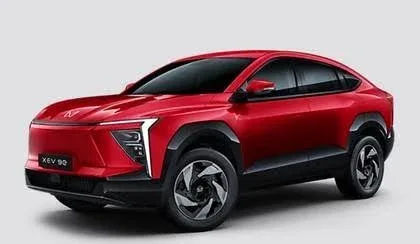
Mahindra's second entry in this list is the XEV 9e.
The top version with the 79 kWh battery has a certified range of 656 km under the MIDC Part 1 + Part 2 cycle.
The XEV 9e shares Mahindra's INGLO electric architecture with the BE 6, but it has a different character. It is larger and more focused on cabin space and premium features.
The top version uses a 210 kW motor and can accelerate from 0 to 100 km/h in 6.8 seconds. Mahindra says the battery can be charged from 20 to 80 percent in under 20 minutes using a 175 kW DC charger.
For buyers who like what Mahindra has done with the BE 6 but want something more spacious and premium, the XEV 9e is the natural step up.
Claimed range: 656 km
Battery: 79 kWh
Certification: MIDC P1 + P2
Power: 210 kW
8. BMW iX xDrive50 – up to 635 km
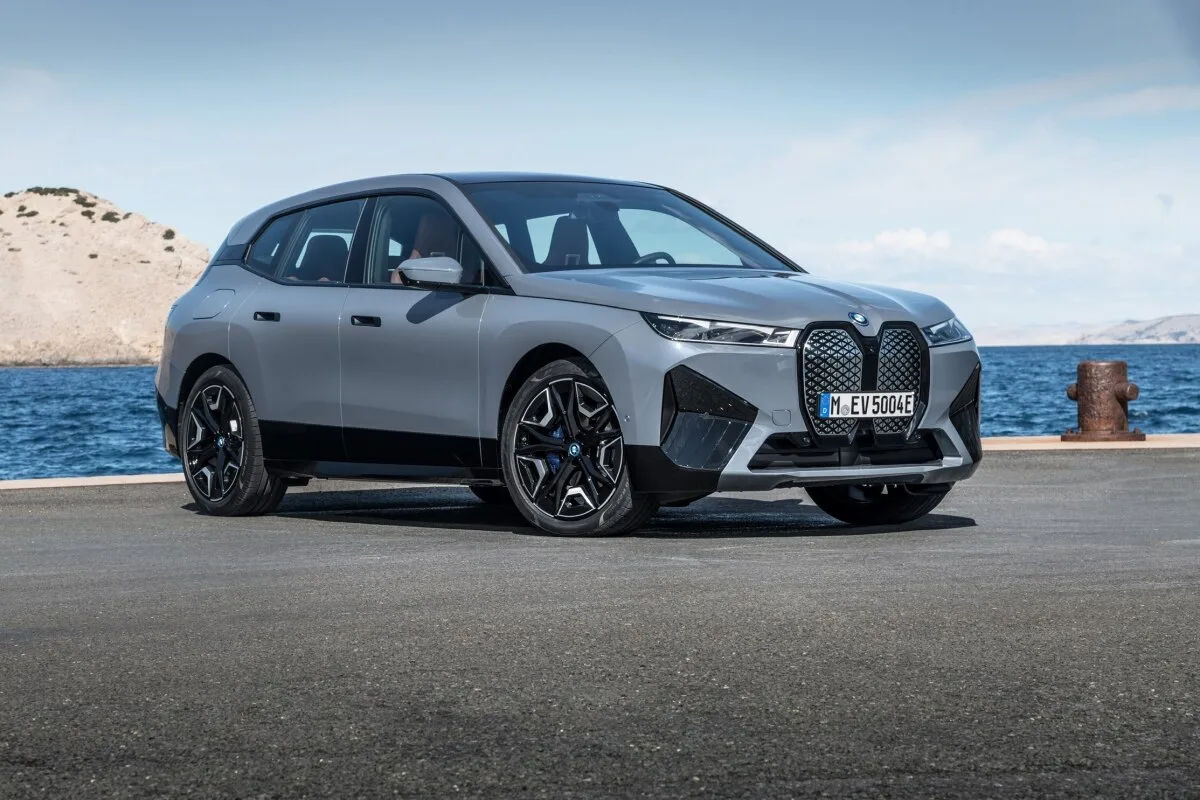
Moving into the luxury segment, the BMW iX xDrive50 remains one of the longest-range premium electric SUVs available in India.
BMW quotes a maximum WLTP range of 635 km for the iX xDrive50. The SUV uses a large 111.5 kWh battery and produces 523 hp.
The iX is a good example of why battery capacity alone doesn't tell the whole story.
A battery of this size obviously helps, but BMW has also worked heavily on the vehicle's efficiency and aerodynamics. The result is a large, powerful SUV that can still deliver a respectable long-distance range.
BMW also quotes up to 145 km of additional range in 10 minutes at a high-power charging station under its stated conditions.
Claimed range: Up to 635 km
Battery: 111.5 kWh
Certification: WLTP
Power: 523 hp
9. Tata Harrier.ev – up to 627 km
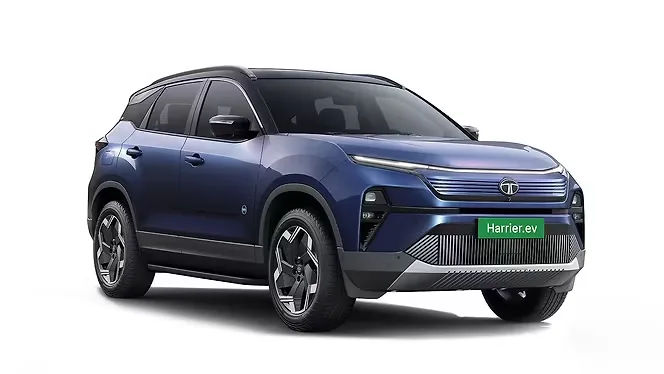
The Tata Harrier.ev is another important model because it brings a high-range electric SUV into a considerably more accessible segment than the luxury EVs.
The 75 kWh rear-wheel-drive version has a claimed 627 km MIDC range. Tata also offers a 75 kWh Quad Wheel Drive version, but its certified range is lower at 622 km.
The interesting part is that the Harrier.ev isn't only about range.
The QWD version gets dual motors, 504 Nm of torque and a claimed 0–100 km/h time of 6.3 seconds. Tata has also given it multiple terrain modes and off-road-focused technology.
For someone who wants a family SUV that can handle more than just city roads, the Harrier.ev has a strong argument.
Claimed range: 627 km
Battery: 75 kWh
Certification: MIDC
Maximum power: 158 PS front + 238 PS rear in QWD
Drive options: RWD / QWD
10. BYD SEAL – up to 650 km
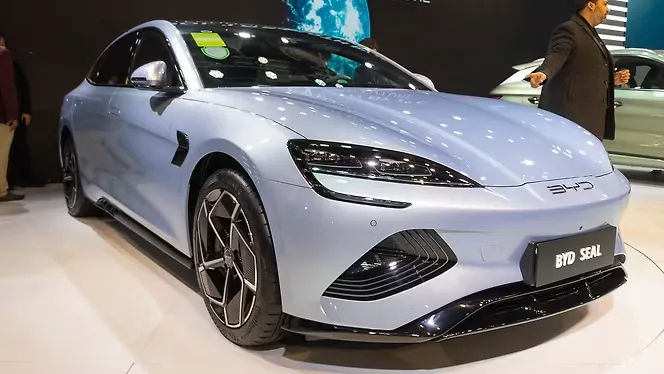
The BYD SEAL is a slightly unusual case in this list.
BYD quotes a range of up to 650 km for the Premium version in India. However, because the published figure is based on a different certification standard from the ARAI/MIDC and WLTP figures used by many other cars here, it isn't fair to directly compare the number with the 663 km EV6 or 656 km XEV 9e.
Still, the SEAL deserves a place in the conversation because of what it offers.
It is a performance-oriented electric sedan with BYD's Blade Battery technology and Cell-to-Body construction. The Performance version can accelerate from 0 to 100 km/h in just 3.8 seconds, while the Premium version is the one associated with the 650 km range claim.
For buyers looking beyond the more familiar Hyundai, Kia, Tata and Mahindra options, the SEAL remains an interesting alternative.
Claimed range: Up to 650 km
Battery: Blade Battery
Test basis: BYD published figure
Body style: Electric sedan
0–100 km/h: 3.8 seconds in Performance version
Which electric car has the highest range in India in 2026?
If we simply look at the maximum manufacturer-quoted number, the Mercedes-Benz CLA 250+ currently leads this group with a claimed 792 km WLTP range.
But comparing EV range in India isn't quite that simple.
The Hyundai IONIQ 5's 690 km figure is ARAI-certified. The Mahindra BE 6's 683 km figure is based on MIDC Part 1 + Part 2. Tesla quotes 681 km WLTP for the Model Y L. BMW's 635 km iX figure is also WLTP.
Then there is BYD, which quotes 650 km for the SEAL using a different test basis.
So, rather than saying one car is automatically “better” because it has a larger number, buyers should look at the certification, battery size, charging speed and the kind of driving they actually do.
Which one gives the best range for the money?
This is where the list becomes more interesting.
The Mercedes-Benz CLA 250+ has the biggest headline range, but it is a premium car. The BMW iX is also firmly in the luxury category.
The Mahindra BE 6 is a completely different proposition. Its 683 km certified range comes in a much more accessible package, which makes it arguably one of the most interesting long-range EVs for buyers who don't want to spend luxury-car money.
The Tata Sierra.ev is another model worth watching closely. Its 665 km MIDC figure and 75 kWh battery give it enough range to compete with considerably more expensive EVs.
The XEV 9e sits somewhere between mainstream and premium, giving buyers a larger, more feature-heavy Mahindra while retaining a 656 km certified figure.
What about real-world range?
This is probably the most important thing to remember before buying an EV.
If a manufacturer says an electric car can travel 650 km, that doesn't mean you'll always get 650 km.
Highway driving at 100–120 km/h can use considerably more energy than slower city driving. Summer heat can increase air-conditioning consumption, while heavy traffic, hills, passengers and luggage can also affect the result.
Tata, for example, publishes C75 figures alongside its MIDC numbers for several models. Its Sierra 75 has a 665 km MIDC figure but a C75 range estimate of around 510–530 km. The Harrier.ev 75 RWD is rated at 627 km MIDC, with a C75 estimate of around 480–505 km.
Mahindra's BE 6 brochure also gives examples of more than 500 km of internally tested range under specified metro-driving conditions with the 79 kWh battery, which shows why the official certification number and everyday driving number can be quite different.
That doesn't make the certified figures useless. They provide a common reference point. But they should be treated as a comparison tool rather than a promise.
WLTP, ARAI and MIDC: what's the difference?
This can get confusing when comparing electric cars.
ARAI is India's certification system and is the figure Indian buyers will most often see in specifications.
MIDC refers to the Modified Indian Driving Cycle and is used for certification of many Indian-market EVs.
WLTP is an international testing procedure used widely in Europe and by manufacturers such as Mercedes-Benz, BMW and Tesla for their published range figures.
There is also the older NEDC system, which can produce more optimistic numbers than newer testing procedures.
Because the testing methods are different, a 650 km figure from one cycle should not automatically be considered equivalent to 650 km from another.
For that reason, when comparing EVs, it is better to look at the certification method alongside the range number.
Which EV should you choose?
There isn't one answer for everyone.
If maximum claimed range is your priority and you're comfortable with a premium price, the Mercedes-Benz CLA 250+ is difficult to ignore.
If you want an EV with a strong combination of range, technology and fast charging, the Hyundai IONIQ 5 is an attractive option.
For buyers looking for a long-range EV at a more accessible price, the Mahindra BE 6 is one of the most compelling choices in India.
The Tata Sierra.ev and Harrier.ev make sense for people who want SUV practicality, while the Kia EV6 is a good option for someone who wants a more performance-oriented driving experience.
And if luxury is the priority, the BMW iX offers a very different experience from the mainstream models.
Final verdict
India's electric-car market has reached a point where range anxiety isn't quite the problem it used to be.
A few years ago, crossing 400 km on a charge was a major selling point. In 2026, we have multiple EVs in India claiming more than 600 km, and several are pushing towards 700 km.
The bigger story, however, isn't just the number on the specification sheet.
Manufacturers are getting better at using energy efficiently, charging batteries faster and designing cars around electric power from the beginning. Cars such as the Mahindra BE 6 and Tata Sierra.ev are particularly important because they bring long-range EV technology to a much wider group of Indian buyers.
For a buyer today, range should be only one part of the decision. Look at your normal daily distance, the highways you use, where you can charge, the car's real-world efficiency and how quickly it can recharge.
A car with a slightly lower official range but a much better charging network can sometimes be a better road-trip car than one with the biggest number on paper.
The best long-range EV is ultimately the one that fits the way you actually drive.
Sources and verification
Range figures and specifications in this article have been checked against manufacturer information where available, including Mercedes-Benz, Hyundai, Mahindra, Tata Motors, Kia, Tesla, BMW and BYD. Mercedes-Benz's Indian EQS documentation, for example, quotes up to 872 km ARAI for the EQS 580, while BMW quotes up to 635 km WLTP for the iX xDrive50.
Last updated: August 2026.
Advertisement
Found this helpful?
Share with your friends & EV community