Enjoyed this article?
Advertisement
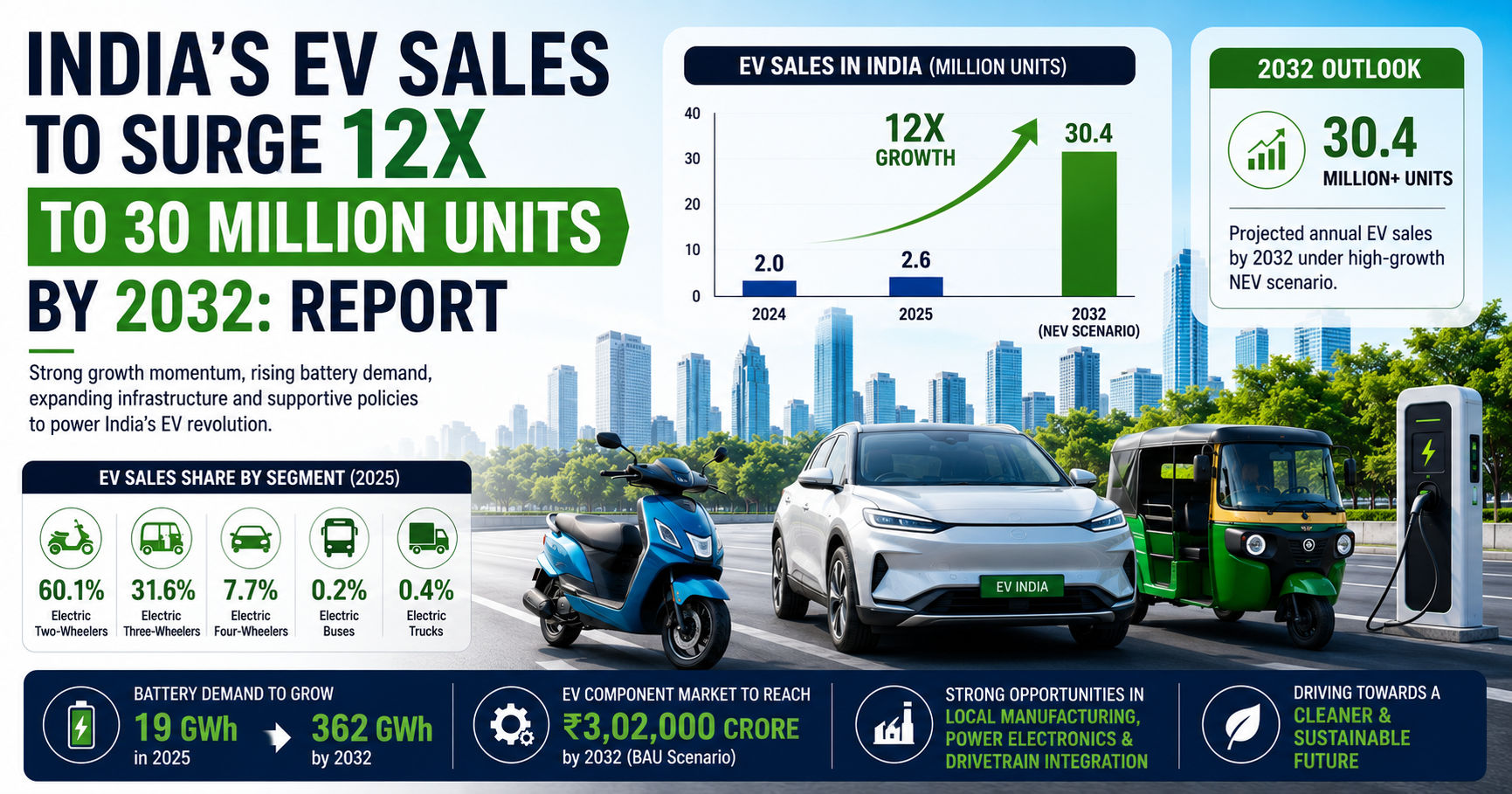
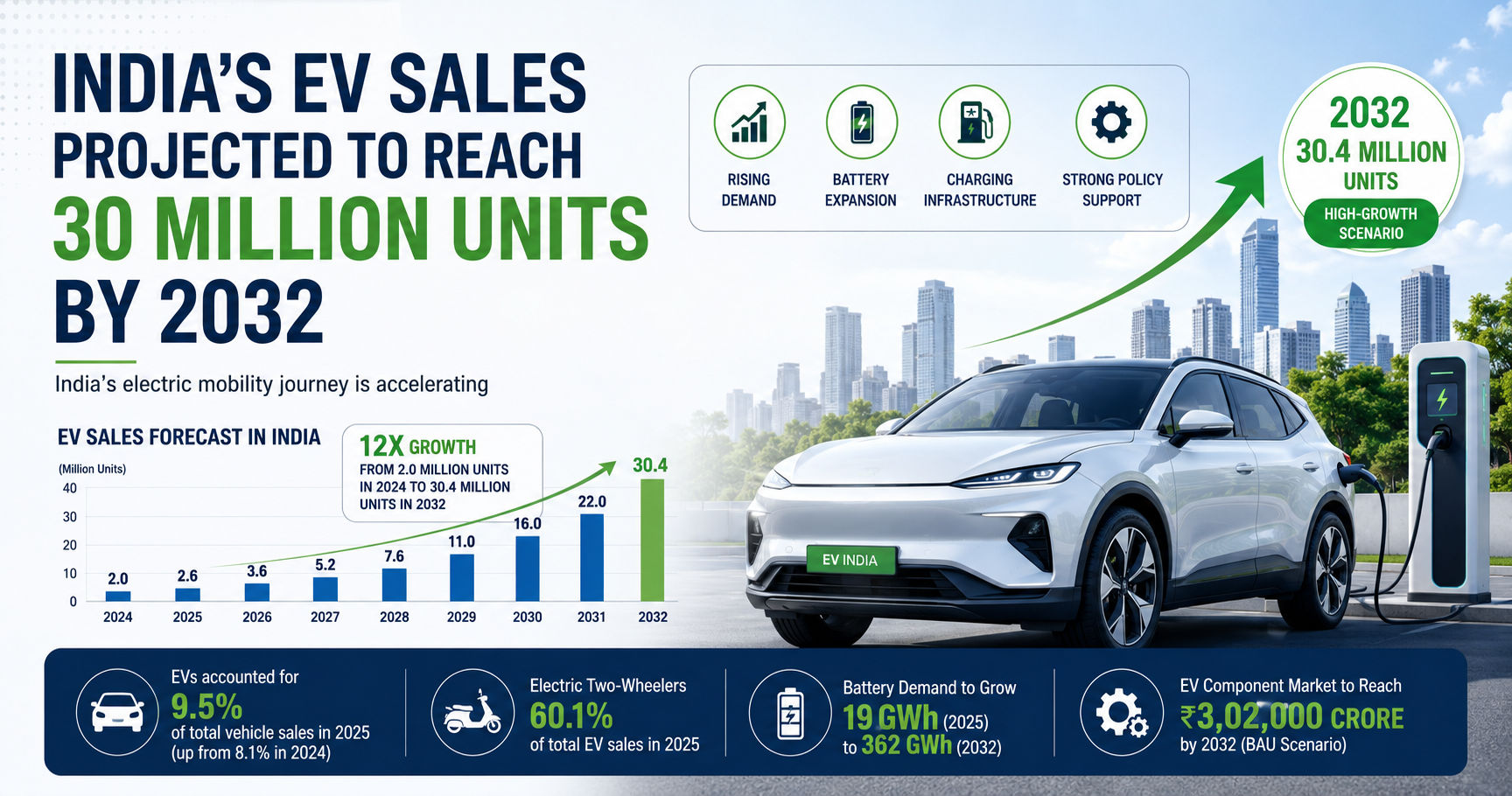
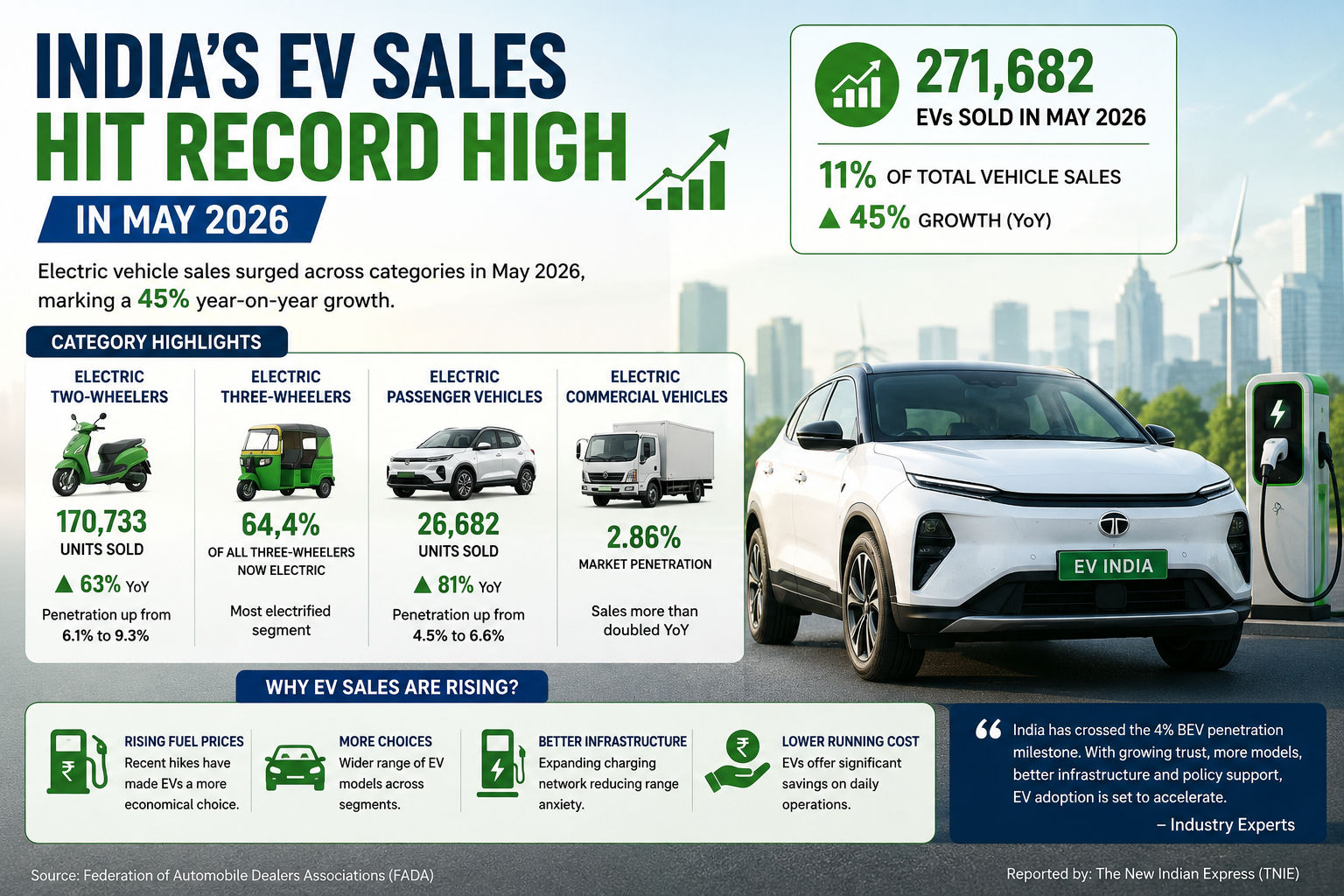
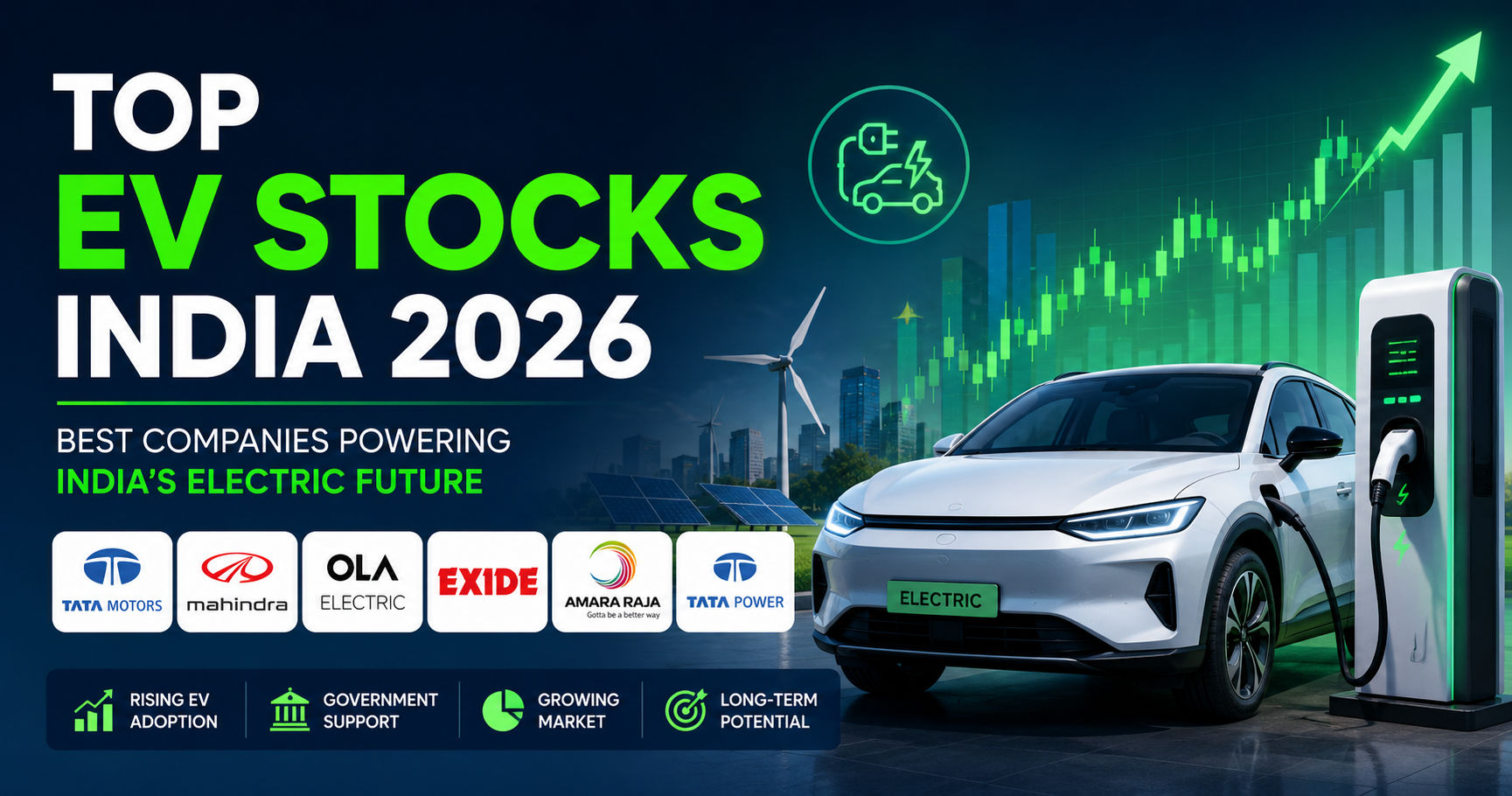
India's electric vehicle industry continues to expand as cleaner transportation, supportive government policies, and technological innovation reshape the automotive sector. The transition toward electric mobility is creating opportunities not only for vehicle manufacturers but also for battery producers, charging infrastructure providers, and component suppliers.
For investors seeking long-term growth, several listed companies are actively contributing to India's EV ecosystem. While no investment is guaranteed, understanding businesses involved in electric mobility can help identify potential opportunities.
Why India's EV Sector Is Growing
Several factors are accelerating EV adoption across India:
Government incentives supporting electric mobility
Growing investment in charging infrastructure
Increasing consumer awareness of sustainable transportation
Rising fuel prices encouraging EV adoption
Improvements in battery technology
Expansion of domestic battery manufacturing
Fleet electrification by businesses and logistics companies
Together, these developments are strengthening the country's electric mobility ecosystem.
Leading EV Stocks in India for 2026
1. Tata Motors
Tata Motors remains one of India's leading passenger electric vehicle manufacturers. Its growing EV portfolio, nationwide dealership network, and continued investment in research and manufacturing make it an important company within the sector.
2. Mahindra & Mahindra
Mahindra continues expanding its electric SUV lineup while investing in advanced EV platforms and future mobility technologies. Its established automotive presence supports long-term growth potential.
3. Ola Electric
Ola Electric has established itself as a major player in India's electric two-wheeler market. Alongside electric scooters, the company is investing in battery manufacturing and large-scale production facilities.
4. Exide Industries
Battery manufacturers play a crucial role in the EV industry. Exide is strengthening its position through investments in lithium-ion batteries and energy storage technologies.
5. Amara Raja Energy & Mobility
The company is expanding beyond conventional batteries into advanced energy storage systems and lithium-ion technology, aligning with India's evolving EV market.
6. TVS Motor Company
TVS continues strengthening its electric mobility portfolio through product innovation and expansion within the electric two-wheeler segment.
7. Hero MotoCorp
Hero MotoCorp is increasing its presence in electric mobility through partnerships, investments, and new EV product development.
8. Tata Power
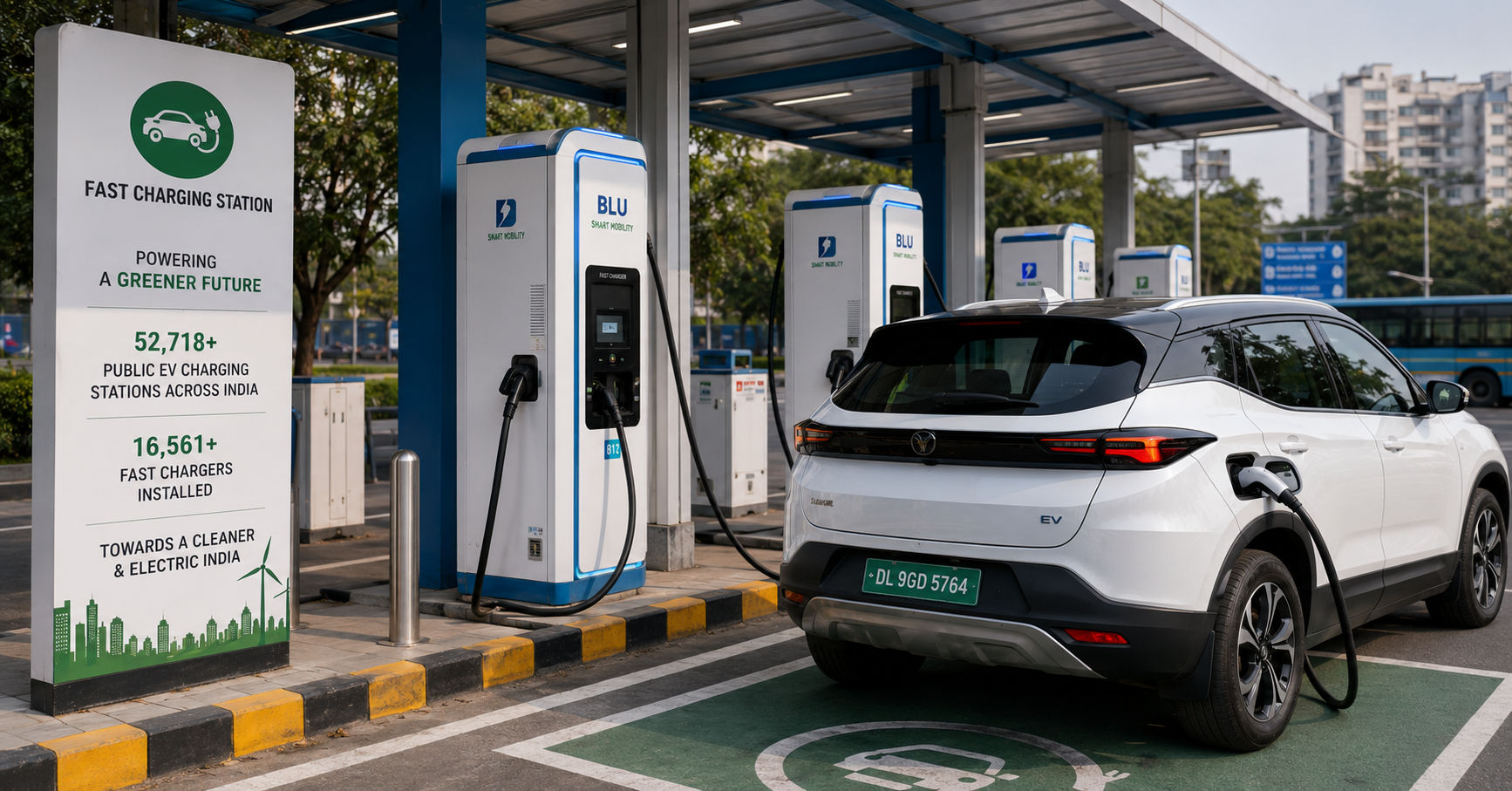
Charging infrastructure is a vital part of EV adoption. Tata Power has expanded its charging network across multiple cities, supporting India's growing electric vehicle market.
9. Siemens India
Siemens contributes through electrification technologies, smart infrastructure, automation, and EV charging solutions.
10. Bharat Electronics (BEL)
Apart from its core electronics business, BEL is involved in technologies supporting energy management and charging infrastructure.
Key Trends to Watch in 2026
Growth in public charging stations
Battery manufacturing expansion
Increasing electric commercial vehicles
Greater adoption of electric two-wheelers
Smart charging technology
Local battery cell production
Fleet electrification
Renewable energy integration
Risks Investors Should Consider
Every investment involves risk. Factors that may affect EV-related companies include:
Market fluctuations
Regulatory changes
Global competition
Raw material price volatility
Technological disruption
Business execution risks
Investors should research companies carefully before making investment decisions.
Future Outlook
India's electric vehicle market is expected to continue expanding over the coming years. As infrastructure improves and manufacturers introduce new products, businesses across the EV value chain may benefit from increasing demand. Long-term industry growth will depend on technology, policy support, consumer adoption, and continued investment.
Conclusion
The electric vehicle industry represents one of India's most rapidly developing sectors. Companies involved in vehicle manufacturing, batteries, charging infrastructure, and EV technology are contributing to this transformation. Investors interested in the sector should evaluate company fundamentals, industry developments, and their own financial objectives before investing.
FAQs
1. Which are the leading EV stocks in India?
Some well-known companies associated with India's EV ecosystem include Tata Motors, Mahindra & Mahindra, TVS Motor, Hero MotoCorp, Exide Industries, Amara Raja Energy & Mobility, Tata Power, Siemens India, and Bharat Electronics.
2. Why are EV stocks attracting investors?
Interest in EV-related companies has grown due to increasing electric vehicle adoption, government initiatives, infrastructure development, and advancements in battery technology.
3. Are battery companies important for EV growth?
Yes. Battery manufacturers play an important role because battery technology directly impacts vehicle performance, cost, and charging efficiency.
4. What sectors benefit from EV adoption?
Apart from vehicle manufacturers, battery producers, charging infrastructure providers, power companies, semiconductor manufacturers, and auto component suppliers also benefit from EV industry growth.
5. Is the EV industry expected to grow in India?
Industry analysts generally expect India's electric mobility sector to expand over the coming years as infrastructure improves and consumer demand increases.
6. What risks should investors consider before investing in EV stocks?
Potential risks include changing regulations, competition, technological advancements, supply chain challenges, and stock market volatility.
7. Should investors diversify across multiple EV companies?
Diversification can help reduce concentration risk. Investors should assess their financial goals and conduct independent research before making investment decisions.
Advertisement
Found this helpful?
Share with your friends & EV community